In this guide
A Masai Mara safari in March suits travellers who want time for resident wildlife and are comfortable adapting to rain. Green landscapes can be part of the appeal, but the month does not promise clear mornings, empty sightings or a discount at a particular camp.
Build the trip around the area you will visit, the accommodation available for your dates and the journey you prefer. Rustic Nature Tours arranges private safaris; private transport does not make a wildlife sighting exclusive.
March Weather: Plan for the Long Rains
March belongs to Kenya’s March–May long-rains season. The onset, amount and timing of rainfall vary between places and years. It is misleading to assume that rain waits until April, falls only in the afternoon or clears within an hour.
Rain can change track conditions and the day’s driving plan. Leave room to adjust departure times and routes to local conditions. The current forecast near departure is more useful for those decisions than a promise based on the calendar.
For photography, prepare for changing light and protect equipment from water. Choose March if that flexibility fits your interests; avoid making one particular sky, landscape colour or photograph the condition for a successful safari.
Resident Wildlife and the Migration Are Different Reasons to Visit
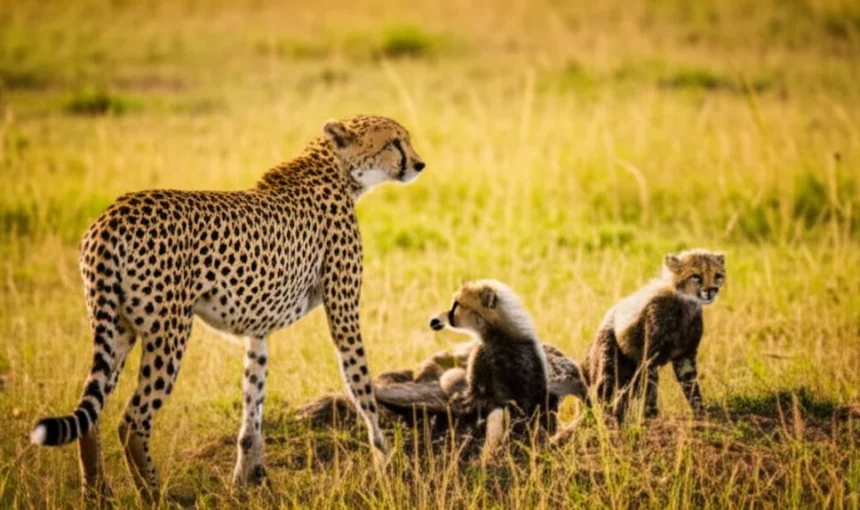
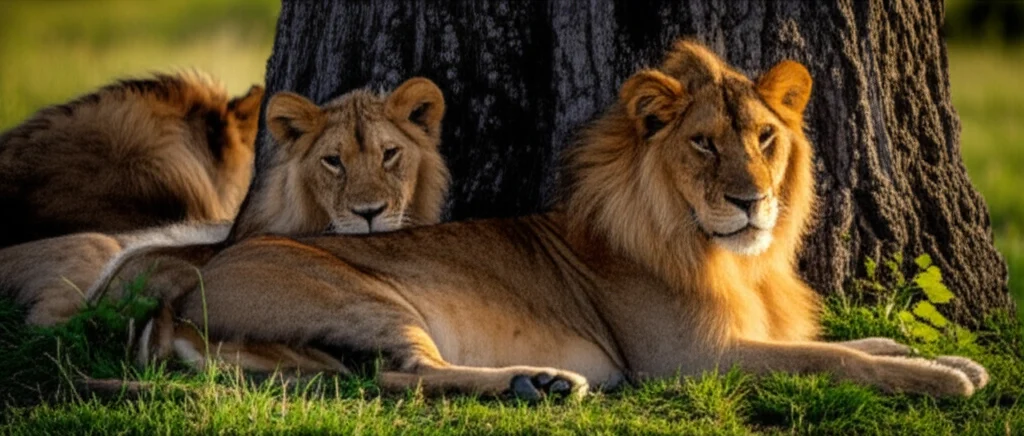
Lions, leopards and cheetahs live in the Mara. Their presence gives a March safari a focus beyond the main migration, but it does not establish where a cat will be visible, whether it will hunt or whether you will find cubs. Several Mara mammals breed throughout the year; newborn animals are not a scheduled March attraction.
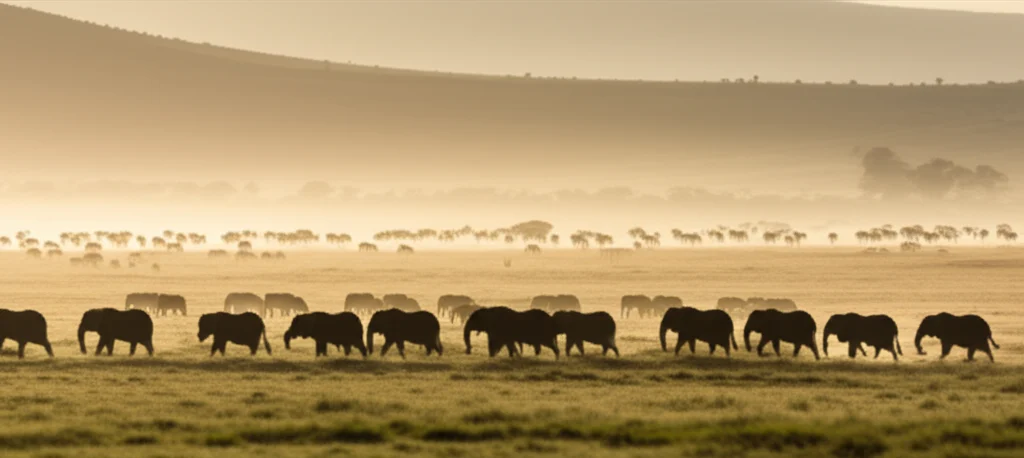
The main Serengeti–Mara wildebeest migration follows rain and grazing across the Kenya–Tanzania ecosystem. Its southern calving grounds are in Tanzania. A Kenya-only Mara itinerary does not take you to those plains, and calving there does not explain the feeding or breeding of cats in the Mara.
The main herds’ usual Mara season begins in June or July and can continue into November. March is outside that usual window. The separate Mara–Loita population includes resident animals, so seeing wildebeest in March does not establish that the Serengeti migration has arrived. Our month-by-month migration guide explains the broader cycle.
Choose the Camp and Driving Area Together
No single section of the Mara is always best in March. Compare the camp’s location, the areas your booking allows you to visit and the route between them. The Mara Triangle and surrounding conservancies have their own management and access arrangements; a camp name alone does not establish access throughout the ecosystem.
Mara North lists bush walks and night drives among its activities. That offering is specific to the conservancy, with rules governing how activities operate. It is not permission for unrestricted off-road driving or evidence that every camp offers every activity on your dates.
If a walk or night drive matters to you, have the location, operator, permission, availability and any extra charge confirmed in the booking. Follow the guide’s briefing and the rules of that area. Do not approach wildlife on foot or drive off-track simply to obtain a closer view.
Vehicle numbers at a sighting depend on the location and circumstances. March cannot guarantee a quiet camp, an uncrowded game drive or time alone with an animal. Choose accommodation for its actual setting and services rather than an unverified claim of exclusivity.
Road Travel, Flights and the Actual Cost
Compare road and air arrangements using your departure point, selected camp and onward plans. Road conditions affect the journey; flight travel needs a confirmed service, appropriate airstrip and onward transfer. Neither route should be described as straightforward regardless of weather.
The booked itinerary identifies the road vehicle or flight arrangements. Do not infer a particular vehicle, flight or transfer from the season. For fly-in itineraries, check the baggage allowance for the confirmed carrier, route and ticket before packing.
March does not establish a universal low-season rate. Cost and availability depend on your dates, party size, property, room category and selected services. Compare the actual nights, meal basis, entries, transport and optional activities in the booking. A lower headline price is only useful when those arrangements suit your party.
What to Pack for March
- Comfortable layers: bring a warmer layer for cool periods and clothing you can adjust during the day.
- Rain protection: pack a lightweight waterproof layer and protected storage for cameras, documents and electronics.
- Practical footwear: choose closed shoes suitable for the activities you have booked.
- Your own viewing equipment: bring binoculars if you want them. Choose camera equipment you can carry within your baggage allowance; no particular lens or binocular specification is essential for enjoying the safari.
- Personal essentials: carry the medicines and travel-health items advised for you by a qualified clinician. Arrange individual advice before departure.
Use our Kenya safari packing guide for a fuller checklist, including flight baggage and property-specific laundry considerations.
Is March the Right Choice for Your Private Safari?
Choose March for a trip centred on the Mara’s resident wildlife, with room to adapt to conditions. If the main migration is your priority, use its usual seasonal window to plan instead, while remembering that river crossings remain unpredictable.
Start with your available nights and the experience you value most. Then match the accommodation, driving area and journey to those priorities. Browse our Maasai Mara safari guide to explore the destination and discuss a private itinerary for your dates.
Frequently Asked Questions
Is the Masai Mara good for safari in March?
Yes, if resident wildlife is your focus and you can adapt to rain and changing road conditions. March is part of the long-rains season and is outside the main migration’s usual Mara window. It does not guarantee quiet sightings or dry game drives.
Does it rain a lot in the Masai Mara in March?
March is within the long-rains season. Amounts, onset and daily timing vary between years and locations, so there is no dependable promise of dry mornings or brief afternoon showers. Use the current forecast and local conditions when arranging the day’s activities.
Will I see the Great Migration in the Masai Mara in March?
Do not plan a March Mara safari around the main Serengeti herds. Their usual Mara season begins in June or July and can extend into November. Resident Mara–Loita wildebeest are distinct from those migrating herds, and crossings cannot be guaranteed in any month.
Are lodges and camps cheaper in the Masai Mara in March?
There is no universal March discount. The price depends on the property, dates, room arrangement, party size and services booked. Compare a date-specific offer with its actual accommodation, meals, entries, transport and optional activities.
Which areas of the Masai Mara are best in March?
No area is always best. Choose the camp and driving area together, considering access permissions, current track conditions and the activities available for your dates. A conservancy booking does not automatically include every activity or access to the whole reserve.
What wildlife can I expect to see in the Masai Mara in March?
Resident lions, leopards and cheetahs are among the reasons to visit. Sightings depend on animal movements, habitat, visibility and time spent observing. Neither a cat encounter, a hunt nor young animals can be promised for a particular visit.