In this guide
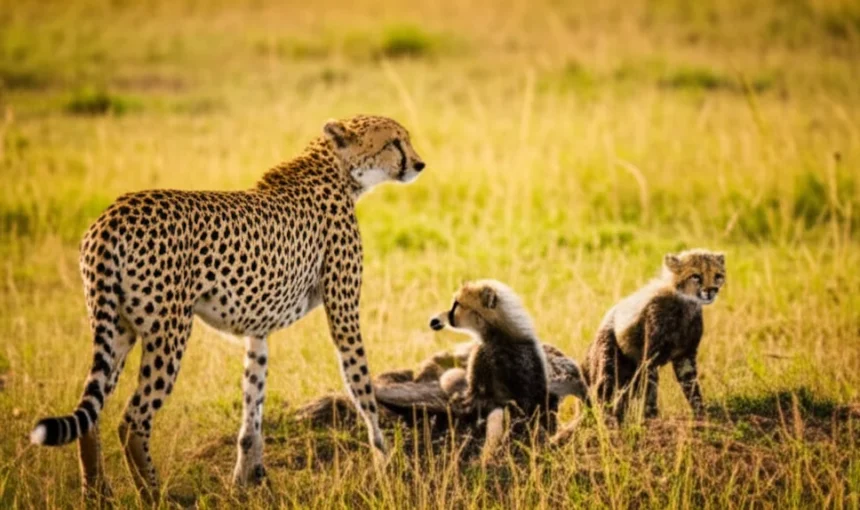
The radio crackles at 5:47am. Your guide, Leson, cuts the engine. Ahead, barely forty metres away, a cheetah mother picks her way through knee-high grass so green it almost hurts to look at — two cubs tumbling and wrestling behind her, completely unbothered by the pale morning light breaking over the Mara hills. The air smells like wet earth and something wild you can’t quite name. There is no other vehicle in sight. Not one.
This is a Masai Mara March safari green season experience — and it is nothing like what most people imagine when they picture Kenya. No golden-dry savannah, no convoys of minibuses jostling for position at a lion sighting. Instead, you get emerald plains, theatrical skies, and an intimacy with the wild that the peak-season crowds simply cannot buy.
If you’ve been on the fence about visiting the Mara in March, let this be the thing that tips you over.
What the Masai Mara Actually Looks Like in March
Forget everything you think you know about the African savannah in March. The long rains haven’t fully arrived yet — that comes in April and May — but March sits in a sweet spot: the landscape is already lush and deeply green from the short rains, the air is clean and sharp after overnight showers, and the light is extraordinary.
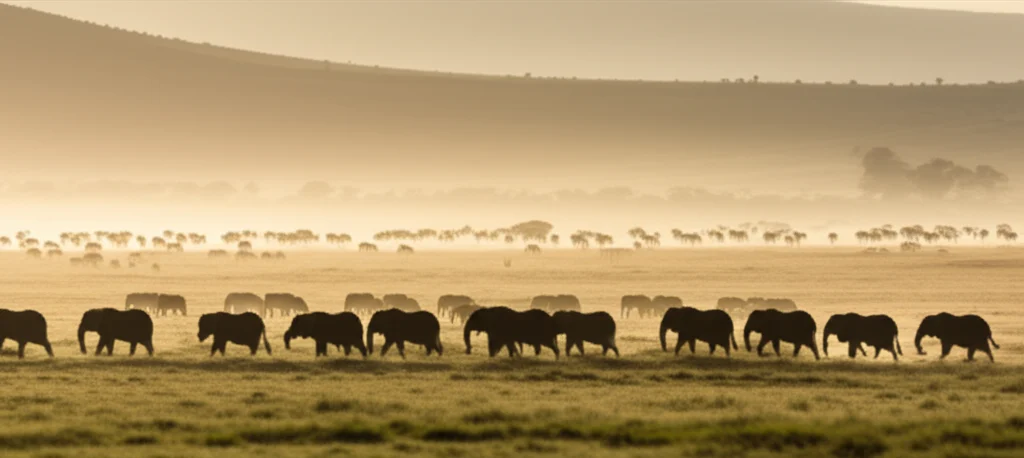
The Mara hills turn a shade of green that photographers genuinely lose sleep over. Wildflowers scatter across the plains. The Mara River runs fuller, its banks thick with buffalo and elephant moving down to drink. In the early mornings especially, mist drifts low over the valley floors and the quality of light is soft and golden — the kind that makes every photograph look considered rather than lucky.
Here’s the thing most safari brochures won’t tell you: the green season has a completely different emotional texture to the dry season. It feels alive in a way that’s harder to describe than to experience. The grass sways. There are birds everywhere — more than 450 species call the Mara ecosystem home, and March is peak birding, with migratory species still present before heading north. Lilac-breasted rollers flash electric colours from every other bush. Bee-eaters swarm termite mounds in iridescent clouds.
The honest answer to “is the Mara worth visiting in March?” is simply: yes, unreservedly — but for different reasons than July or August. And for the right traveller, it’s actually better.
Wildlife in March: Newborns, Predators and a Quieter Drama
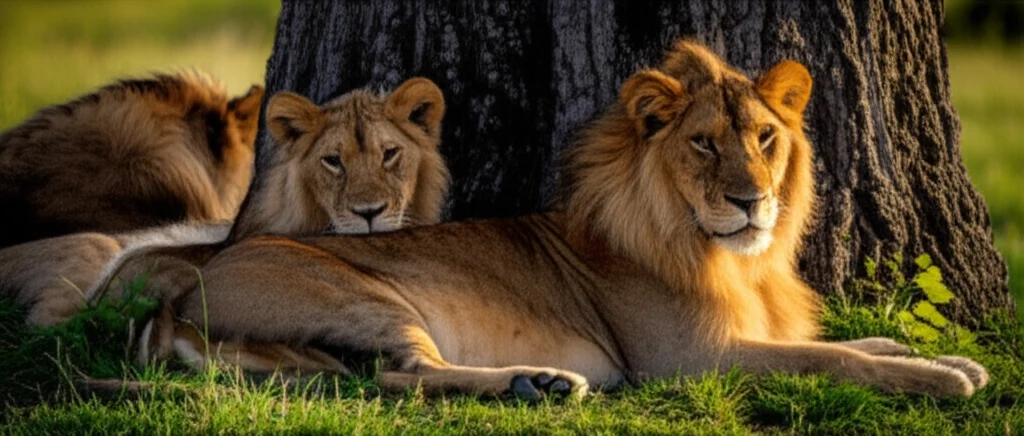
March is calving season across the Mara-Serengeti ecosystem. The wildebeest — around 1.5 million of them — are calving on the Tanzanian plains, and the predators in the Masai Mara know it. Resident lions, leopards and cheetahs are well-fed, active and raising young of their own. This creates something rare: a predator landscape in peak biological drama, without the distraction of a million tourists chasing the same crossing.
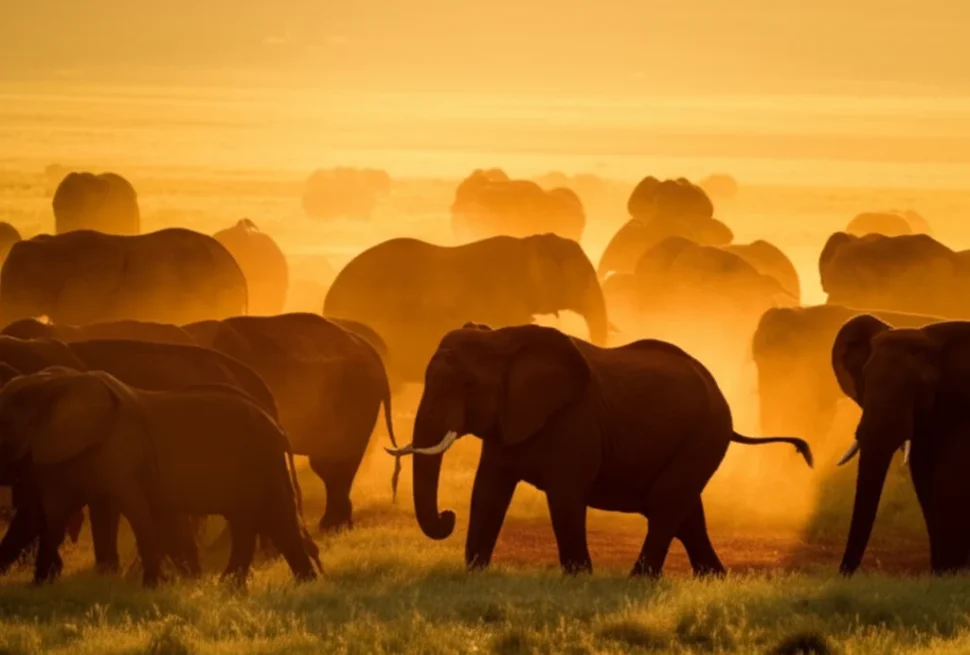
What most visitors don’t realise is that the Big Five are all present year-round in the Mara. The migration’s absence in March doesn’t create a wildlife vacuum — it actually shifts your attention to the animals that live here permanently. You start noticing things: the way a leopard uses the fever trees along the Talek River, the hierarchy within a specific lion pride you’ve been following across three game drives, the enormous elephant herds that move through the Mara Triangle in the green months when water and grass are abundant everywhere.
Baby animals are arguably the green season’s greatest gift. Elephant calves stumble after their mothers through the long grass. Zebra foals, still brown rather than white, hide in family groups near the riverbanks. Warthog piglets sprint in a line, tails vertical like tiny aerials. There’s something about seeing new life in a landscape that’s also bursting with growth — it feels like the whole ecosystem is exhaling.
And the cats. The cheetahs especially. With the open grass still manageable (before the April rains make it truly tall), cheetahs in the Mara are highly visible in March — and with fewer vehicles around, sightings feel private in a way they rarely do in high season.
The Honest Truth About March Crowds and Conditions
Let’s talk logistics, because this is where a Masai Mara March safari green season trip either works brilliantly or catches people off guard.
Visitor numbers in March are significantly lower than during the migration months of July through October. The lodges are quieter. The airstrips are quieter. On game drives — particularly in the Mara Triangle, which is managed separately from the main reserve and tends to feel more exclusive — you can genuinely spend an hour at a sighting with just one or two other vehicles, or none at all. For anyone who has experienced the frustration of thirty vehicles surrounding a cheetah at peak season, this is a revelation.
The trade-off is rain. March does bring showers — typically in the afternoons and evenings, not all day. The mornings are almost always clear and beautiful, which means game drives before 11am and after 4pm are generally excellent. The rain, when it comes, tends to be dramatic rather than miserable: big African thunderstorms that roll in fast, light up the sky, and leave within an hour. Many guests come to love the afternoon storms as part of the experience.
Roads in the reserve can get muddy after heavy rain, and some of the more remote tracks in the conservancies may become inaccessible in a standard vehicle. This is exactly why choosing an experienced operator — one who uses well-maintained 4x4s and employs guides with genuine bush knowledge — makes such a difference. A good guide knows which areas hold the best drainage and which crossings to avoid after overnight rain.
Flights into the Mara from Nairobi operate year-round on scheduled services (Safarilink, Air Kenya), making access straightforward regardless of season. Flying in is always recommended — the road from Nairobi takes five to six hours and is exhausting.
Where to Stay for a March Green Season Safari
The Masai Mara ecosystem is large, and where you base yourself matters enormously — arguably more so in March than in peak season.
The Mara Triangle (the western section managed by the Mara Conservancy) consistently offers the best game drive quality in March. Fewer vehicles, better road management, and access to the riverine forests along the Mara River make it the standout choice. Lodges here tend to sit at a premium price point, but you’re paying for the exclusivity and the quality of guiding.
The private conservancies surrounding the main reserve — Olare Motorogi, Mara North, Naboisho, Ol Kinyei — are genuinely exceptional in the green season. Night drives and off-road driving are permitted in the conservancies (neither is allowed inside the national reserve), which opens up an entirely different dimension of safari. Watching a leopard hunt at night, or tracking a hyena clan in the pitch dark, are experiences you can only have with a conservancy-based camp.
Many conservancy camps also offer walking safaris in March — and the green landscape makes for a particularly immersive experience on foot. Reading animal tracks in damp soil, approaching a grazing herd silently with an armed ranger, noticing the detail of the ecosystem at ground level: it reframes everything you thought you knew about the bush.
Camp rates in March are typically at low or shoulder season pricing, which means you can often access camps that are fully out of reach in July and August. Some of the finest properties in the Mara — places that are genuinely sold out months in advance during the migration — have availability and competitive pricing in March. This is one of the green season’s best-kept secrets.
What to Pack for a Green Season Safari in March
Packing for a Masai Mara March safari green season trip requires a slightly different approach than packing for the dry season, but it’s not complicated.
- Layers — mornings in the Mara can be surprisingly cold (12–15°C at first light), and the open-sided game drive vehicles amplify the chill. A warm fleece or lightweight down jacket is essential.
- Waterproof layer — a lightweight packable rain jacket takes up almost no space and will save you during afternoon showers. Not a heavy waterproof; just something you can pull on quickly.
- Neutral colours — olive, khaki, tan, dark green. The animals genuinely notice bright colours from a distance, and guides will quietly appreciate it.
- Quality binoculars — in the green season especially, animals are sometimes partially hidden by vegetation. 8×42 binoculars make a transformative difference.
- Insect repellent and malaria prophylaxis — the Mara sits in a malarial zone year-round. Consult your GP before travel. In March, with higher moisture levels, mosquito activity is more pronounced than in the dry months.
- Camera with a good telephoto lens — the green season light is spectacular but changes fast. Having at least a 300mm reach on your camera lets you capture intimate wildlife portraits without needing to be dangerously close.
Is March Right for You? The Honest Assessment
A Masai Mara March safari green season trip is not for everyone, and part of honest travel advice is saying so clearly.
If your heart is set on witnessing the Great Migration river crossings, March is not your month. That spectacle belongs to the second half of the year, primarily July to October. If the idea of an afternoon rainstorm causes genuine anxiety, or if you need to photograph in predictably consistent light, the dry season may suit you better.
But if you value space, quiet, and genuine connection with the bush — if you’d rather sit alone with a cheetah family for an hour than share a large predator sighting with fifteen other vehicles — March will give you something most safari travellers never experience. The green season rewards patience and presence. It asks you to slow down and notice things. In return, it shows you the Mara as it exists when humans aren’t crowding in to watch it.
Couples seeking a romantic safari with genuine seclusion, serious photographers after light and exclusivity, families who want immersive wildlife without the overwhelm of peak-season logistics, and returning safari travellers who have already done the migration and want something deeper — for all of these, March in the Mara is quietly exceptional.
The masai mara march safari green season is one of Africa’s most underrated experiences. That won’t be true forever. Every season, a few more travellers discover it and come back changed.
Frequently Asked Questions
Is the Masai Mara good for safari in March?
The Maasai Mara supports lion, leopard, cheetah, elephant, buffalo, giraffe, zebra and other plains wildlife. Migration herds are a seasonal addition to the ecosystem. Activities and travel arrangements follow the selected park's instructions and the actual booking.
Does it rain a lot in the Masai Mara in March?
Kenya's main rainy seasons are the March–May long rains and October–December short rains, with substantial regional and year-to-year variation. Rain can affect roads, visibility and camp operations. The chosen route and confirmed services determine the best fit; calendar dates do not establish dry weather or specific wildlife encounters.
Will I see the Great Migration in the Masai Mara in March?
The migrating wildebeest herds move between the Serengeti and the Mara. The Mara Conservancy describes the Mara season as usually beginning in June or July and continuing into November. Arrival, departure and river crossings vary with the herds; a travel date cannot establish a crossing time.
Are lodges and camps cheaper in the Masai Mara in March?
Safari and accommodation costs depend on travel dates, party size, room arrangement and the selected services. The trip's From display retains its stated basis. A written quotation itemises accommodation, meals, entries, transport and optional activities; there is no universal rate or inclusion set for every lodge or safari.
Which areas of the Masai Mara are best in March?
The Maasai Mara supports lion, leopard, cheetah, elephant, buffalo, giraffe, zebra and other plains wildlife. Migration herds are a seasonal addition to the ecosystem. Activities and travel arrangements follow the selected park's instructions and the actual booking.
What wildlife can I expect to see in the Masai Mara in March?
The Maasai Mara supports lion, leopard, cheetah, elephant, buffalo, giraffe, zebra and other plains wildlife. Migration herds are a seasonal addition to the ecosystem. Encounters depend on habitat, animal movements and the conditions during your visit.
If you’re ready to experience the Mara at its most intimate and alive, our team at Rustic Nature Tours would love to help you plan a green season safari that fits exactly what you’re looking for — whether that’s a fly-in conservancy camp, a family-friendly lodge in the Mara Triangle, or a walking safari with night drives. Get in touch, and let’s start planning something remarkable.