Picture this: you’re sitting in an open Land Cruiser just after dawn, a mug of coffee cooling in your hand. The grass is still silver with dew. Then you hear it — a low, rolling rumble that you feel in your chest before you understand what it is. Your guide cuts the engine. Across the ridge, a dark mass appears, moving as one living thing. Tens of thousands of wildebeest, pouring over the horizon like a slow flood. Nobody in the vehicle says a word.
That moment is what draws people to Kenya’s Masai Mara year after year. But here’s the thing — the Masai Mara migration calendar month by month is more nuanced than most travel sites let on. The Great Migration isn’t a single event with a fixed date. It’s a continuous, unpredictable cycle governed by rain, grass, and instinct. Knowing what’s actually happening in the Mara across each month is the difference between a good safari and a transformative one.
This is your honest, practical guide — built from years of watching the Mara change across every season. Whether you’re planning your first trip or your fifth, following the Masai Mara migration calendar month by month will help you make the most of every day you spend in the bush.
The Migration Is a Year-Round Story (Not Just a River Crossing)
Most people arrive in the Mara hoping to witness a river crossing — that iconic, terrifying moment when wildebeest hurl themselves into crocodile-filled water. It’s extraordinary. But what surprises first-time visitors most is discovering that the Masai Mara is breathtaking in every single month. The migration is circular, moving between Tanzania’s Serengeti and Kenya’s Mara in a roughly predictable loop driven by rainfall and the growth of fresh grass. Understanding that loop — month by month — means you can plan for exactly the experience you want, whether that’s the drama of a crossing, the spectacle of vast herds on open plains, or the intimacy of a quieter, more private Mara.
The honest answer about timing is this: July to October is peak season for river crossings, but it’s also peak season for crowds and pricing. Every other month has its own quiet magic. Let’s walk through the year together — because the best masai mara migration calendar month by month guide is one that gives you the full picture, not just the highlights.
January and February: Calm, Green, and Gloriously Uncrowded
By January, the main migration herds are deep in Tanzania’s Serengeti, where the wildebeest gather on the short-grass plains to calve. The Mara itself is lush, deeply green, and almost eerily quiet after the high-season rush. This is one of the best-kept secrets in Kenya safari planning.
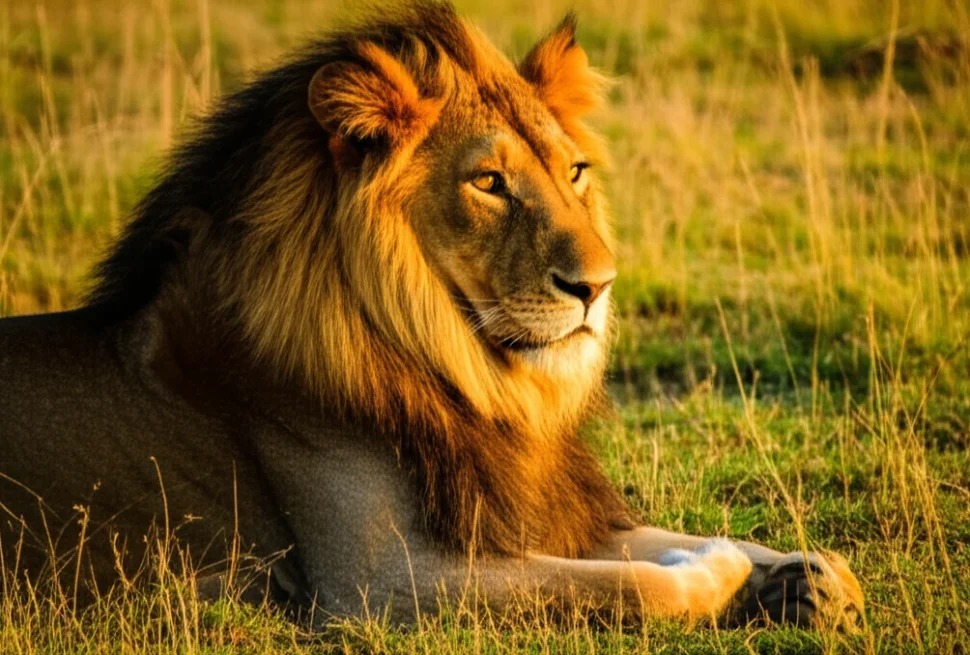
Without the migration crowds, the Mara reveals its other residents with startling clarity. Lion prides laze openly. Leopards — notoriously elusive — seem almost relaxed, draping themselves across acacia branches without the constant pressure of tourist vehicles. Elephant families move through the riverine forest. Cheetah mothers with cubs patrol the open plains where the grass is still short enough to spot them from a distance.
February is particularly special for birders. Migrant birds from Europe and Asia are still present, swelling the Mara’s already impressive bird list. The landscape is genuinely beautiful — deep greens, dramatic skies, and that particular quality of light that photographers dream about.
What most visitors don’t realise is that game drives in January and February often feel more personal and unhurried. You might spend an hour watching a lion hunt without another vehicle in sight. That kind of experience is increasingly rare in peak season.
March and April: The Long Rains Arrive — Honest Truths About the Green Season
March signals the beginning of Kenya’s long rains, which typically intensify through April. The Mara transforms. Tracks turn muddy. Skies build into theatrical afternoon storms, with lightning that illuminates the escarpment in flashes of violet. The grass grows tall and golden-green.
Many lodges offer significant rate reductions during this period — sometimes 30 to 40 percent less than peak season prices. For budget-conscious travellers who are flexible about conditions, this can open up camps that would otherwise be out of reach.
The trade-off is real and worth knowing. Heavy rains can make some tracks impassable. Animals are harder to spot in tall grass. Some camps and conservancies close entirely for maintenance. But the Mara in the rain has a raw, primal beauty that is genuinely unlike anything else. Newborn animals appear everywhere — impala lambs, zebra foals, wildebeest calves born in Tanzania soon begin the northward drift. The circle is turning again.
If you travel in March or April, choose your camp carefully, select an operator with experienced guides who know wet-season tracking, and embrace the unpredictability. Some guests describe these as their most memorable drives. For those planning ahead, studying the masai mara migration calendar month by month experience during the green season can reveal opportunities that most tourists overlook entirely.
May and June: The Herds Begin Moving North
Something shifts in May. The long rains ease. In the Serengeti, over a million wildebeest — along with hundreds of thousands of zebra and gazelle — have eaten the southern plains down to dust. The ancient instinct kicks in. They start moving north.
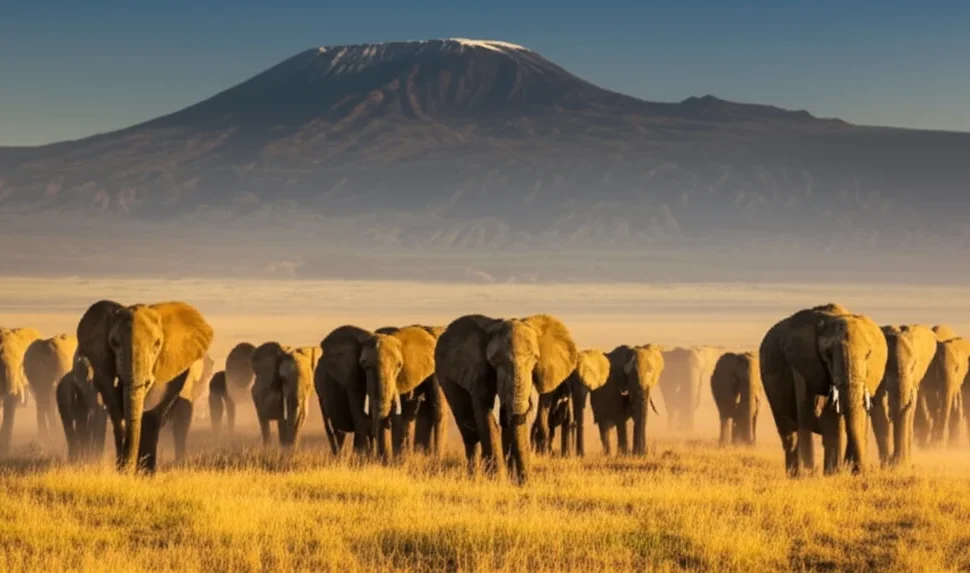
By late May and into June, the vanguard of the migration enters the Masai Mara ecosystem, often appearing first in the Loita Plains and northern Serengeti corridor. The herds aren’t yet at the Mara River, but the sheer scale of animals moving across the landscape is extraordinary. Columns of wildebeest stretch to the horizon, kicking up red dust, grunting constantly — a sound like a million broken engines.
June is an increasingly popular month among seasoned safari-goers. The wildebeest migration in June offers genuine spectacle with noticeably thinner crowds than July and August. Prices begin to rise but haven’t yet hit peak rates. The grass is still green in places, the air is cool and crisp, and you have a real sense of being on the edge of something about to explode.
Accommodation books quickly for July and August — if you’re planning on a masai mara migration calendar month by month itinerary that includes the peak river crossing season, securing your camp well in advance is essential.
Packing Smart for Each Season in the Masai Mara Migration Calendar Month by Month
What you pack matters almost as much as when you travel, and the Masai Mara’s shifting seasons demand a thoughtful approach. During the dry peak months of July through October, mornings on the open plains can be surprisingly cold — temperatures near the Mara River frequently drop to 12°C before sunrise. A warm fleece or down jacket is essential for early game drives, even if afternoons climb above 28°C. Layering is your most reliable strategy.
For the green season months of November through March, pack a lightweight waterproof jacket and quick-dry clothing. Afternoon downpours can arrive with little warning, and wet clothing in an open vehicle becomes uncomfortable quickly. Waterproof bags or dry sacks are worth adding to protect cameras and binoculars, which you will likely be using constantly.
Neutral, earthy tones are recommended year-round — olive, khaki, tan, and brown. Avoid white and bright colours, which can disturb wildlife and make you more visible across the plains. A wide-brimmed hat, high-SPF sunscreen, and good polarised sunglasses are non-negotiable regardless of the month you visit.
Finally, dust can be relentless in the dry months, so bring a buff or lightweight scarf to protect your face on long game drives across the open grasslands.