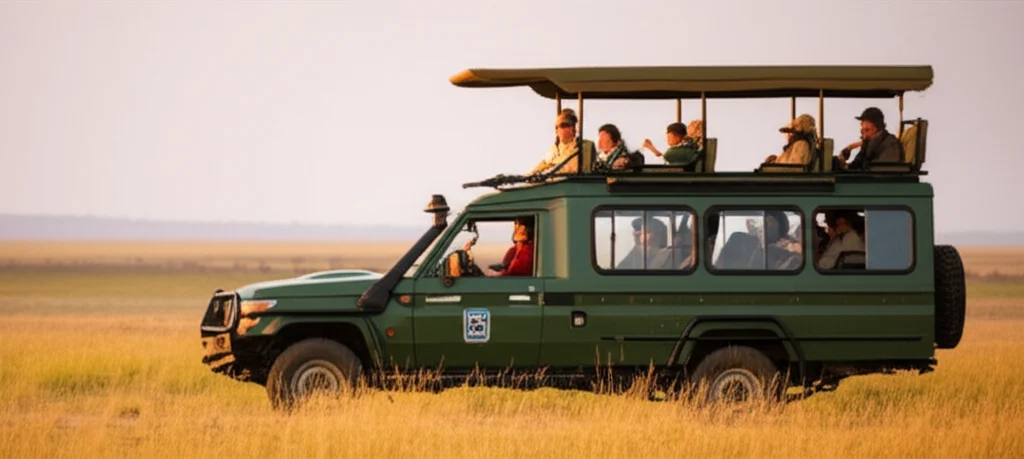
Your seven-year-old has just spotted something in the long grass. She grabs your arm without a word, pointing. A lioness steps out — unhurried, golden, enormous — and crosses the track not thirty metres ahead of the vehicle. Nobody breathes. The guide cuts the engine. And for a few seconds, time simply stops. Later that evening, while she’s recounting every detail to her little brother over dinner, you realise: this is the trip she’ll describe for the rest of her life. That moment is exactly why a Kenya safari with kids is one of the most extraordinary things a family can do together — and with the right planning, it’s far more achievable than most parents imagine. This family guide is here to show you how. Whether you’re planning your first kenya safari with kids family guide or returning for another adventure, this guide covers everything you need to know.
Is Kenya Right for a Family Safari? The Honest Answer
Kenya gets asked about a lot — and rightly so. It’s one of Africa’s most iconic destinations, home to the Maasai Mara, Amboseli, Samburu and a dozen other ecosystems that most adults only dream about seeing. But when families start researching, the questions pile up fast. Is it safe? Will the kids be bored on long drives? Are there age restrictions in the camps?
Here’s the thing: Kenya is genuinely one of the best countries in Africa for families with children. Not because it softens the experience, but because it’s diverse enough to pace it well. You can balance a big-game morning game drive in the Mara with a quieter afternoon at a camp swimming pool, or swap one full-day drive for a guided bush walk or a Maasai village visit. The wildlife encounters here are extraordinary — and children, it turns out, are often the most perceptive observers on the vehicle.
What most visitors don’t realise is that kids often see things adults miss. They’re lower to the windows, more patient in their silence, and completely unfiltered in their reactions. More than one of our guides has said that game drives with children are their favourite kind. That enthusiasm is contagious.
The honest caveat: very young children — under five — can find long game drives tiring, and some premium camps have minimum age policies of six or eight years. It’s worth checking before you book. But for families with children aged six and up, a kenya safari with kids family guide like this one will have you wondering why you waited so long.
Choosing the Right Parks for Families with Children
Not every park in Kenya is equally suited to families. The terrain matters, the camp options matter, and so does the density of wildlife — because a park that requires three-hour drives between sightings will test anyone’s patience, let alone a ten-year-old’s.
Maasai Mara
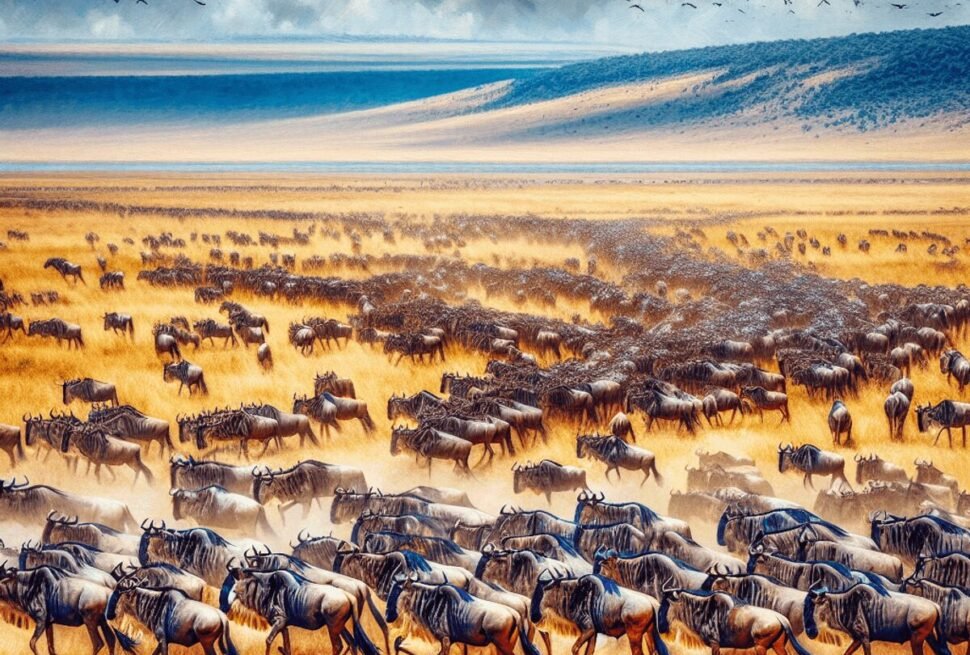
The Mara is, for many families, the centrepiece of any Kenya itinerary — and for good reason. Wildlife density here is extraordinary year-round, which means shorter gaps between sightings and more sustained excitement in the vehicle. The Great Migration (typically July to October) adds an almost surreal layer when wildebeest are crossing the Mara River in their thousands. Children find it breathtaking. Fair warning: the river crossings involve predator action, and that can be intense for sensitive kids — it’s worth having a quiet conversation beforehand about what they might see.
Amboseli National Park
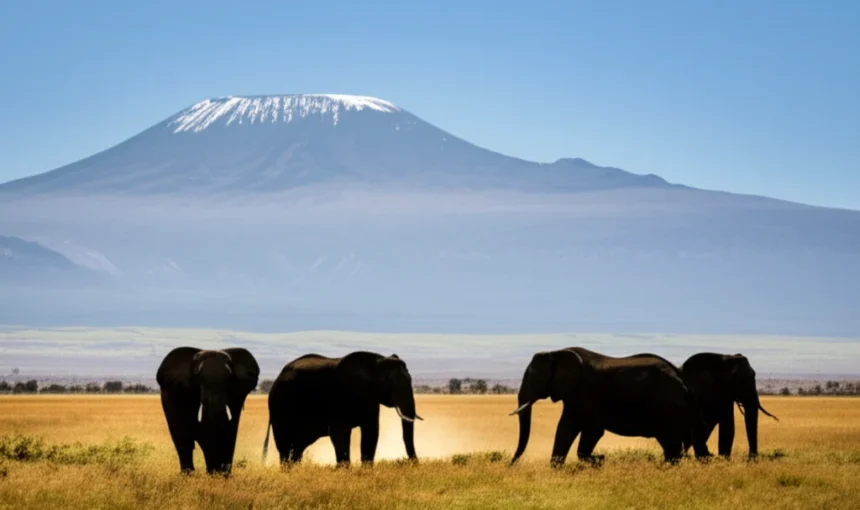
For sheer visual drama, Amboseli is hard to beat. The combination of vast elephant herds moving across open plains, with Kilimanjaro rising behind them through the morning haze, produces the kind of scene that stops everyone in the vehicle — children included. Amboseli’s terrain is flat and open, making wildlife very easy to spot, which suits younger children who may not have the patience for dense bush. Elephants here are relaxed around vehicles, sometimes passing within touching distance (though you never touch — a good lesson for kids in itself).
Samburu National Reserve
Fewer families make it to Samburu, which is a shame. It’s drier, more remote, and home to species found almost nowhere else in Kenya — the reticulated giraffe, Grevy’s zebra, the long-necked gerenuk standing on its hind legs to reach acacia leaves. Children who’ve seen zebra before are suddenly fascinated again when the stripes are different. The camps here are excellent, many with riverside settings where elephants come to drink in the late afternoon.
Lake Nakuru and the Rift Valley
A good one to fold into a multi-destination itinerary. Flamingos turning the lake shoreline pink, white rhinos grazing on the hillside, and pelicans wheeling overhead — it’s a feast for young eyes and easy enough to visit in a half day en route between the Mara and other northern parks.
Timing Your Family Safari: When to Go and What to Expect
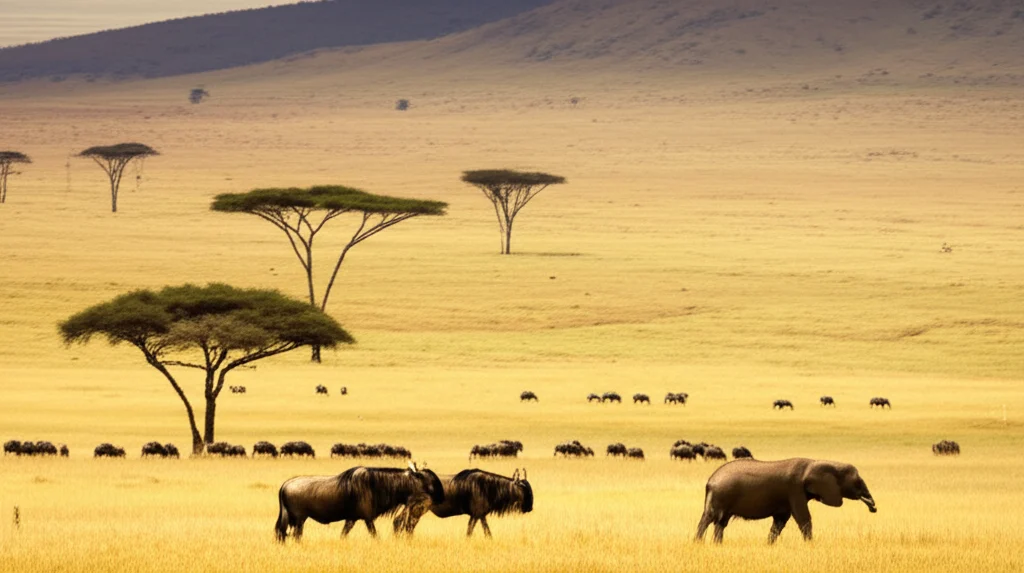
Kenya’s seasons shape your experience more than almost any other factor. The dry seasons — July to October and January to February — are generally considered the best time for game viewing because animals congregate around water sources and vegetation is low, making wildlife easier to spot. For families, this matters because you spend less time searching and more time watching.
The long rains (April to June) are worth approaching carefully with children. Tracks can become impassable, some camps close, and a stuck vehicle in deep mud is only fun for about the first fifteen minutes. The short rains in November are shorter and less disruptive — many experienced travellers actually love this period for its lush green landscapes, fewer tourists and lower rates.
If seeing the Great Migration is the family goal, aim for July to October in the Mara. The river crossings are unpredictable — they happen when the herds decide, not on schedule — but in peak season, your guide will have good intelligence about where the action is. Experiencing one with children is something none of them forget.
School holidays, naturally, dictate a lot of family travel timing. July and August are peak season and peak price. If you have flexibility, October can offer the same wildlife spectacle at slightly quieter camps and more competitive rates. The honest truth is that Kenya rarely disappoints whenever you go — the wildlife is simply too abundant.
What to Pack and How to Prepare Kids for the Safari Experience
Children are often better travellers than we expect, but a little preparation goes a long way. A few things experienced family safari-goers swear by:
- Binoculars for every child — not shared, not borrowed. Their own pair. It transforms the game drive experience completely and gives them agency in the vehicle.
- A wildlife journal or field guide — many kids become obsessive tick-listers by day two. Let them.
- Neutral-coloured clothing — khaki, olive, tan. Bright colours are discouraged on game drives and can startle animals. White is avoided.
- Sun protection — a wide-brimmed hat, high-SPF sunscreen (reef-safe for any coastal add-ons), and UV-protective shirts. The equatorial sun is fierce even through cloud cover.
- Insect repellent containing DEET — malaria prophylaxis is strongly recommended for most Kenyan parks. Speak to a travel health clinic well before departure. Start prophylactics on time.
- Motion sickness remedies — the tracks in some parks are seriously corrugated. If your child is prone in cars, prepare accordingly.
Talk to your children before you go — not just about what they’ll see, but about the rules. Quiet voices in the vehicle. No sudden movements. Never standing on the seat. Most kids take this seriously when they understand it’s about not disturbing the animals, and many will remind adults when they forget.
Choosing Family-Friendly Camps and Lodges
This is where the detail really matters. Not all safari accommodation is built with children in mind, and choosing the wrong camp can make a wonderful itinerary feel unnecessarily stressful.
Look for camps that offer family tents or interconnecting rooms, ideally with a private veranda and a second bedroom or sleep area. Some of the best family-focused camps in the Mara and Amboseli have purpose-built family units with separate children’s sleeping areas so parents can actually enjoy an evening under the stars.
Ask about the children’s programmes. The best camps in Kenya offer guided nature walks scaled to younger guests, bush breakfasts, Maasai cultural interactions, and even junior ranger activities. A well-run half-day junior ranger programme can become the highlight of a child’s entire trip — outranking even the lions, which is saying something.
Meal flexibility matters too. Kids don’t always want the set dinner menu after a long day. Good family camps have kitchen teams who are happy to prepare simpler food for younger guests without fuss. And a proper dining tent with long communal tables, bush sounds outside and lantern light — that’s magic for everyone, regardless of age.
Cultural Experiences That Children Remember Most
Kenya’s wildlife is unforgettable. But ask adults who did safari trips as children what they remember most vividly, and a surprising number mention a cultural moment rather than an animal. A Maasai warrior demonstrating how to start a fire with two sticks. Learning three words in Swahili from a camp guide. Being shown how to identify animal tracks in the dust.
A visit to a genuine Maasai community — not a rehearsed tourist show, but a proper village visit coordinated through your camp — gives children context they won’t get from a screen. They see how people live alongside wildlife, what conservation means at ground level, and that the world is far bigger and more varied than they imagined. That’s education of the most lasting kind.
Many of our Kenya family safari itineraries build in dedicated cultural time alongside the game drives, because we’ve seen what it does to young travellers. They come home with questions. That’s the best possible outcome.
Planning Your Kenya Safari with Kids: A Family Guide Summary
A kenya safari with kids family guide ultimately comes down to a few core principles: choose parks with high wildlife visibility, time your trip for the dry season where possible, select camps that genuinely welcome children, and leave room in the itinerary for the unexpected. Because the unexpected — a leopard in a tree, a hippo yawning at close range, a sudden rainstorm that turns the Mara green overnight — is where the real memories live.
Kenya with children is not a compromise on the safari experience. It’s an amplification of it. Children’s wonder is contagious. Their questions make guides think. Their reactions remind adults to look up from the camera and simply watch. More than a few parents have told us that their children’s first safari changed how they themselves see the world.
If you’re ready to start planning, our team at Rustic Nature Tours has been crafting family-specific itineraries for years — with honest advice about ages, timing, camps and what actually works in the field. We’d love to help you build something your family will talk about for decades.
Get in touch with our Kenya specialists and let’s start planning your family’s safari together.
Frequently Asked Questions
What is the minimum age for a Kenya safari with kids?
There’s no universal minimum, but most specialist family camps and lodges recommend a minimum age of six for game drives. Some premium tented camps set their minimum at eight. Children under five can find long drives in the vehicle genuinely uncomfortable, and some wildlife encounters — predator kills, river crossings — can be distressing for very young children. That said, we’ve taken families with well-prepared five-year-olds who had a wonderful time. It depends on the child, the camp and the itinerary. Talk to us and we’ll give you an honest assessment.
Is Kenya safe for families travelling with children?
Kenya’s national parks and private conservancies are very safe for families when you’re travelling with a reputable operator. Your guide and camp staff take child safety seriously — from vehicle protocols on game drives to securing tents at night in areas with wildlife. The main health consideration is malaria: most parks outside Nairobi and the Kenyan highlands are malaria zones, so prophylaxis and insect repellent are essential. Consult a travel health clinic at least six weeks before departure. With proper preparation, families travel to Kenya safely every single month of the year.
Which Kenya parks are best for families with young children?
Amboseli and the Maasai Mara are the top choices for families with younger children. Both have open terrain that makes wildlife easy to spot — critical when attention spans are shorter — and both have excellent family-friendly camps with strong children’s programmes. Samburu is wonderful for older children (eight-plus) who are ready for something more remote and specialist. Lake Nakuru works beautifully as a half-day stop on a multi-destination itinerary. We generally recommend combining Amboseli with the Mara for a first family safari — you get two very different landscapes and an extraordinary variety of wildlife.
How long should a family Kenya safari be?
Seven to ten days is the sweet spot for most families. Less than seven days and you spend a disproportionate amount of time in transit. More than twelve days can become tiring for younger children, though older kids and teenagers often want to stay longer. A typical seven-night itinerary might look like: two nights in Amboseli, one night in transit (Nairobi or the Rift Valley), and four nights in the Maasai Mara. That gives each destination enough time to breathe without rushing, and leaves a day at the end to decompress before the flight home.
Do I need to book family-specific safari packages?
Not always, but it helps enormously. Family-specific itineraries are designed around camp minimum ages, children’s activity programmes, appropriate pacing and accommodation that genuinely suits families. A standard adult itinerary might include camps that don’t welcome under-twelves, or pack in too many full-day drives without downtime. Our Kenya family safari packages are built from the ground up with children in mind — from the camps we select to the guides we pair you with. The difference in experience is significant.