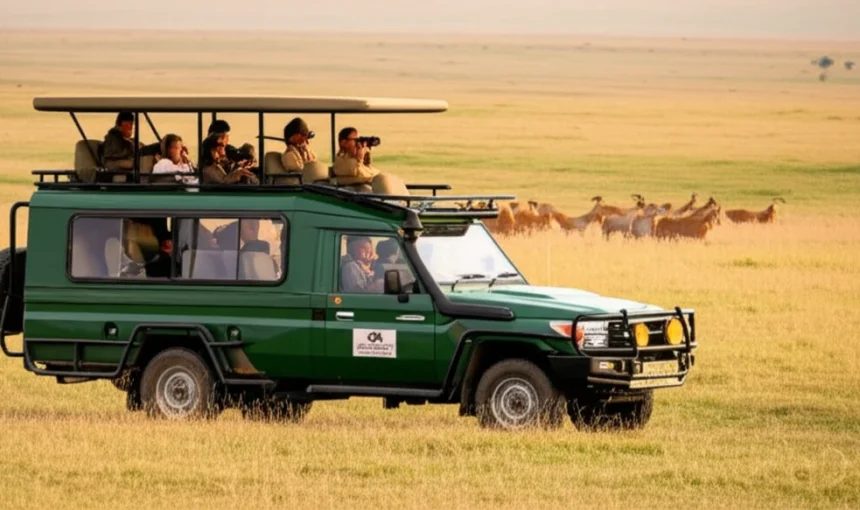
The first thing that hits you is the colour. Not green — not the lush, familiar green of the Mara — but a fierce, burnt ochre that seems to pulse in the heat. The Ewaso Nyiro River cuts through it like a lifeline, lined with fever trees the shade of old gold, and on its banks a reticulated giraffe is drinking, unhurried, unbothered by the open vehicle idling thirty metres away. You haven’t been in Samburu National Reserve for forty minutes and you’re already rewriting everything you thought you knew about Kenya. This is what a proper Samburu National Reserve safari guide needs to say first: this place does not behave like anywhere else in East Africa, and that is entirely the point.
Samburu sits roughly 350 kilometres north of Nairobi, in a landscape that most visitors never reach. It lacks the global fame of the Mara, the elephant density of Amboseli, the colonial nostalgia of Laikipia. What it has instead is something quieter and more arresting: a semi-arid wilderness that feels genuinely remote, a river that draws extraordinary concentrations of wildlife to a single, watchable corridor, and a suite of species found nowhere else on a typical Kenya circuit. If you’re the kind of traveller who wants to go beyond the postcard, Samburu is where you go.
What Makes Samburu Different — and Why That Matters
Samburu is part of a cluster of three adjoining reserves — Samburu, Buffalo Springs, and Shaba — that together protect roughly 300 square kilometres of arid-zone habitat in Kenya’s Rift Valley North. But the geography is almost secondary to the wildlife story. The reserve sits in the rain shadow of Mount Kenya, which means the landscape is dry, thorny and sparse in ways that concentrate animals around water sources rather than dispersing them across open plains. For a photographer or a game-viewer, that’s a gift.
Here’s the thing that surprises most first-timers: the game-viewing is exceptional precisely because of the aridity, not in spite of it. Bare terrain means better sightlines. Animals cluster at the river twice a day. Elephant herds — some with bulls carrying extraordinary tusks — wade through the shallows. Leopards drape themselves over low branches in the riverine forest. And the birdlife, with over 450 species recorded, rewards anyone who thinks binoculars are just for mammals.
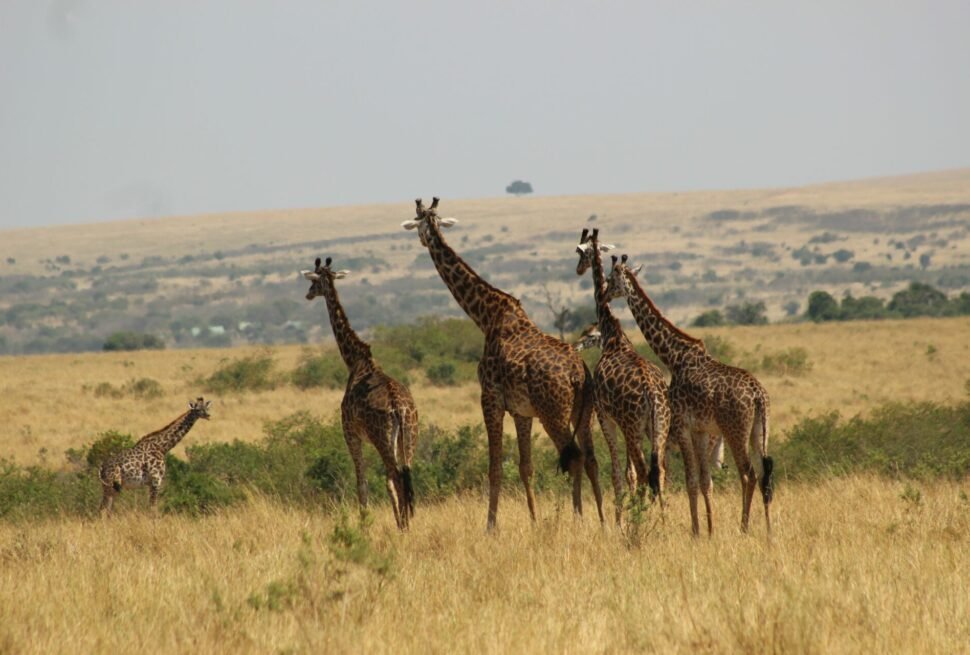
What most visitors don’t realise is that Samburu also protects several species found in very few other Kenyan parks. The “Special Five” of Samburu — reticulated giraffe, Grevy’s zebra, Beisa oryx, Somali ostrich, and the improbably elegant gerenuk — are dry-country endemics. Spotting the gerenuk alone, standing on its hind legs to browse acacia, is worth the journey from Nairobi.
The Best Time to Visit: Honest Advice on Seasons and Timing
Samburu is a year-round destination, and that’s not a marketing claim — it’s genuinely true in a way that doesn’t apply to wetter parks. Because the reserve is semi-arid, it doesn’t suffer the same dramatic seasonal swings as the Maasai Mara. The grass doesn’t grow tall enough to hide game, and the Ewaso Nyiro flows regardless of rainfall. You can have extraordinary game drives in any month.
That said, timing still matters. The honest answer is that July through October is the most reliable window — dry, warm, and with animals concentrated around shrinking water sources. This is also when visitor numbers are at their peak, though Samburu never feels as crowded as the Mara during the Great Migration. January and February are also excellent: hot, dry, and frequently brilliant for elephant sightings as bulls come to the river in large numbers.
The two short rainy seasons — the “long rains” from April to early June and the “short rains” in November — bring scattered showers rather than relentless downpours. Roads can get muddy, but the landscape transforms into something genuinely beautiful: dusty ochre gives way to flushes of green, and certain bird species only appear at this time. For experienced safari-goers looking for fewer vehicles and lower rates, the green season is an underrated option.
What catches newcomers off guard: the heat. Midday temperatures in Samburu regularly exceed 35°C from December through March. Serious game-viewing happens early — dawn game drives starting around 6:30am are where the magic lives. Build your days around the light, not your sleep schedule.
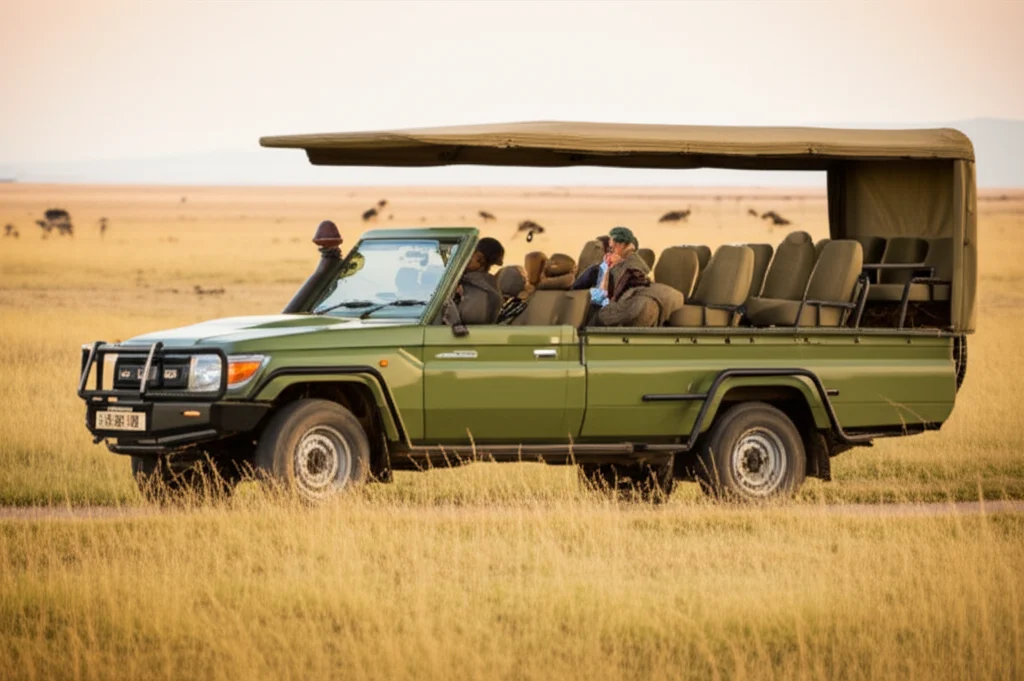
Wildlife in Samburu: The Species That Justify the Journey
A good Samburu National Reserve safari guide will tell you: come with an open mind about what “the Big Five” means. Yes, Samburu has lions, leopards, elephants and buffalo. But the reserve’s real identity is written in its arid-country specialists. The reticulated giraffe is the most strikingly patterned of all giraffe subspecies — its geometric markings look hand-drawn. Grevy’s zebra, much larger than the common plains zebra, has a narrower stripe pattern and round ears. These are not minor distinctions. They’re the difference between a familiar experience and an unforgettable one.
Lions in Samburu tend to be relaxed around vehicles — several resident prides have been habituated over years of low-impact tourism. Leopard sightings are genuinely frequent here, particularly in the riverine forest along the Ewaso Nyiro. Crocodiles bask on the banks with an ancient indifference. Elephant encounters can be extraordinarily intimate; some bulls walk calmly within metres of parked vehicles, ears fanning slowly in the heat.
A few things to watch for that most visitors miss:
- African wild dogs — sightings are rare but the reserve has hosted transient packs. Ask your guide to check with the local ranger network before each drive.
- Vulturine guineafowl — unmistakable with their cobalt plumage, seen in noisy groups around camp areas and bush tracks.
- Dwarf mongooses — they colonise old termite mounds near the river and are endlessly entertaining to watch.
- The Ewaso Nyiro itself at dusk — animals arrive in sequence almost like clockwork, and a stationary vehicle parked quietly at the bank is one of the most rewarding viewing techniques in African safari.
Where to Stay: Camps That Match the Landscape
Samburu’s accommodation scene ranges from mid-range tented camps to genuinely special luxury properties. The best camps sit directly on the Ewaso Nyiro riverbank, and if you can manage it, staying riverside is worth every extra shilling. Watching elephants cross the river from your tent veranda at dusk is one of those experiences that doesn’t need a photograph to be remembered.
The northern bank of the river falls within Samburu National Reserve; the southern bank is Buffalo Springs. Some camps straddle both, giving access to game-drive routes in both reserves with a single entry fee. Check this detail when you book — it significantly expands what you can see. Our Kenya safari packages include carefully selected camps that balance genuine comfort with authentic bush atmosphere, without crossing into the kind of over-engineered luxury that feels disconnected from the wild.
A few practical notes: most camps have a maximum of around 20 to 30 guests at full capacity, which keeps the experience intimate. Wi-Fi is available at most properties but inconsistent — treat it as a bonus, not a given. Electricity runs on solar with generator backup. The camp boundaries are unfenced in most cases, which means you should always walk with a staff member after dark. That’s not a warning — it’s part of what makes it real.
Getting to Samburu: Routes, Flights and Logistics
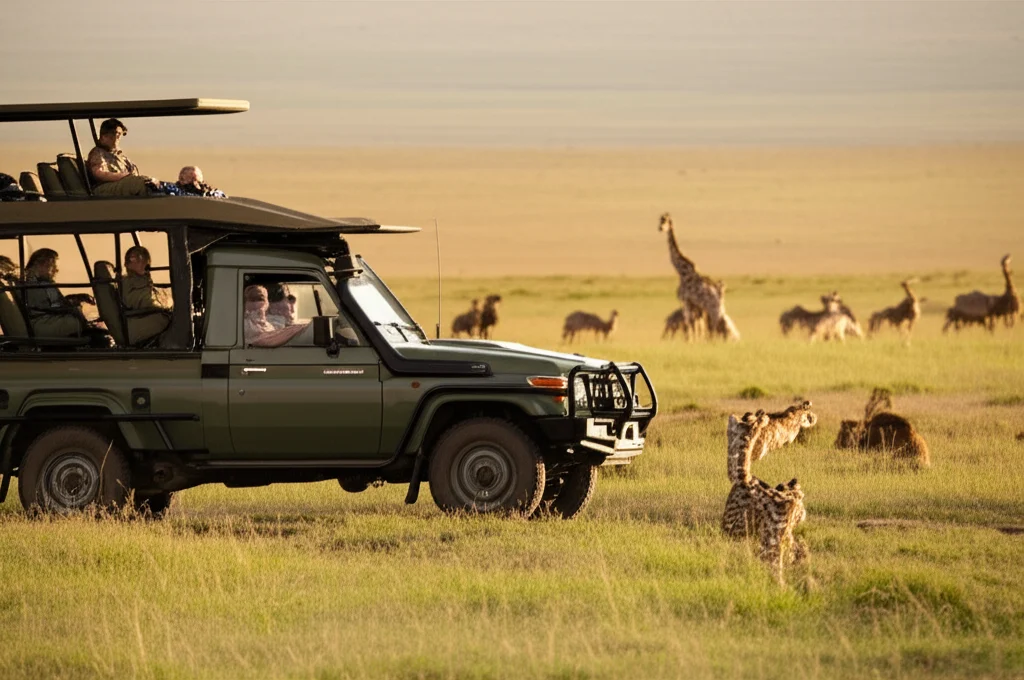
The most efficient way to reach Samburu from Nairobi is by scheduled light aircraft — daily flights operate from Wilson Airport (Nairobi’s domestic hub) to Samburu’s airstrip in approximately 45 minutes. This is what the majority of guests on fly-in packages use, and it eliminates a long road journey through changing terrain.
Road transfers from Nairobi take roughly five to six hours depending on traffic through the city and road conditions north of Isiolo, the last large town before the reserve. The drive is genuinely interesting — the landscape shifts from the central highlands through Maasai pastoralist country into increasingly arid terrain as you approach the reserve boundary. For guests combining Samburu with Laikipia (Ol Pejeta, Lewa, or similar conservancies), a road transfer between them is perfectly manageable at around two to three hours.
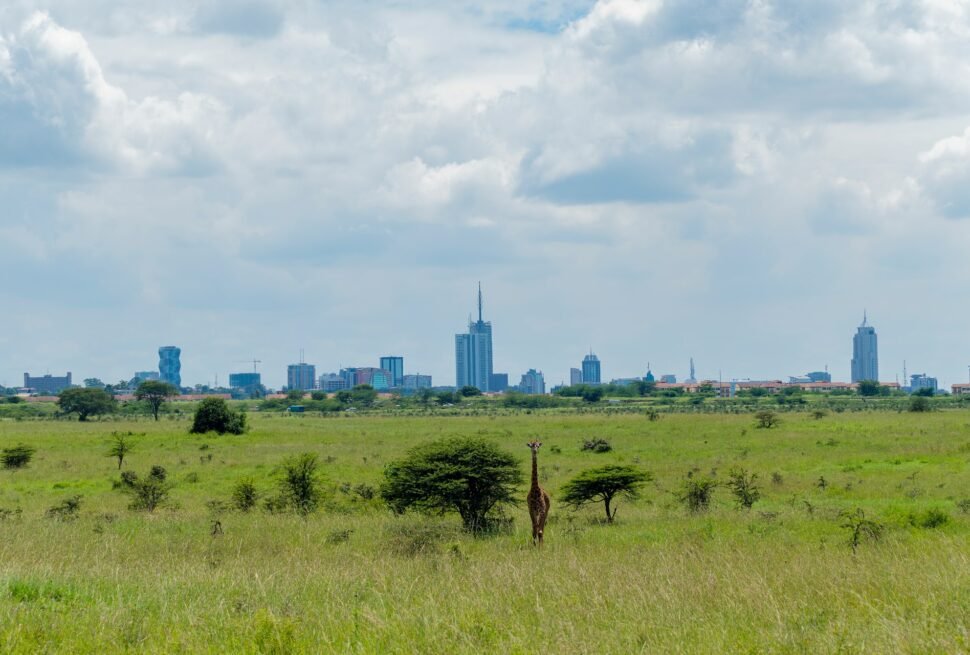
Some visitors combine Samburu with Nairobi National Park on arrival day, or build it into a northern Kenya circuit that includes Lewa Wildlife Conservancy or Reteti Elephant Sanctuary — Africa’s first community-owned elephant sanctuary, located about an hour’s drive away. That combination, in particular, makes for one of the most distinctive and emotionally resonant itineraries in the whole of Kenya. Explore our dedicated Samburu safari itineraries here to see how we build these routes.
Culture and Community: The Samburu People
The reserve is named for the Samburu people, a semi-nomadic pastoralist community closely related to the Maasai but with their own distinct language, traditions, and dress. Their connection to this land predates any conservation boundary, and any worthwhile visit to the reserve should include some engagement with their culture — not the performative kind staged at a lodge, but the kind rooted in genuine exchange.
Several camps in and around Samburu support community-run cultural programmes, including visits to manyattas (traditional homesteads), guided walks with Samburu elders, and beadwork cooperatives run by women. Buying directly from these cooperatives supports livelihoods in a way that a gift shop purchase simply doesn’t. Ask your camp before you arrive what community partnerships they maintain — a camp that can answer that question clearly is a camp worth trusting.
The Samburu community also plays an active role in anti-poaching and wildlife monitoring through several local ranger programmes. The health of the reserve’s elephant population, and the relative security of its wildlife corridors, is inseparable from the relationships these programmes maintain. Conservation here isn’t a cause at arm’s length. It’s immediate, local, and personal.
Practical Tips: What to Pack, What to Expect, What Not to Do
Packing for Samburu requires one mental adjustment: this is not a green-savannah safari. Dust is constant. Light-coloured clothing shows it badly — neutrals and earth tones are practical, not just aesthetic. A buff or light scarf for the open vehicle is more useful than it sounds. And sunscreen matters more here than in cooler parks; the light is fierce from mid-morning onwards.
- Layers for the morning: pre-dawn game drives in an open vehicle at speed can be genuinely cold, even when midday reaches 35°C.
- A quality headlamp: camp paths after dark, unfenced reserves, and power fluctuations make this non-negotiable.
- Binoculars: 8×42 is the standard recommendation. The open terrain rewards them constantly.
- Malaria prophylaxis: Samburu is a malaria zone. Consult a travel health clinic before departure and bring your prescribed medication.
- Patience at the river: the Ewaso Nyiro at dawn or dusk is not a place to rush. Park, switch off the engine, and wait. The river rewards stillness.
What most first-timers get wrong: they try to visit Samburu as a one-night add-on. This reserve deserves at minimum three nights. Two full days of game drives — four drives total — is the threshold at which you start to understand the rhythm of the place. Anything less and you’ll leave feeling like you only glimpsed it.
Planning Your Samburu Safari: Final Thoughts
A good Samburu National Reserve safari guide ends with the same honesty it began with: this is not the easiest park to reach, it is not the most famous, and it will not hand you its secrets on the first morning. What it will give you, if you come with time and curiosity and a willingness to look beyond the headline species, is something genuinely rare in modern safari travel — a sense of wilderness that feels earned.
The ochre dust will get into everything. The heat at midday will be serious. You will almost certainly see something on the Ewaso Nyiro at dusk that makes you reach for your camera and then slowly lower it, because the moment is too complete to interrupt. That is Samburu. That is why people who come here once tend to come back.
If you’re ready to start planning, our team at Rustic Nature Tours builds bespoke Samburu itineraries designed around your travel dates, interests, and the experiences that matter most to you. Every detail — from the camp on the riverbank to the community visit in the afternoon light — is chosen with intention. Come north. The wild country is waiting.
Frequently Asked Questions
Is Samburu National Reserve worth visiting if I’ve already done the Maasai Mara?
Absolutely — and many Kenya regulars argue it’s the more interesting safari experience. Samburu’s arid-country wildlife, including the Special Five species found nowhere in the Mara, means you’re seeing genuinely different animals in a completely different landscape. The atmosphere is quieter, the game-viewing is more intimate, and the cultural dimension — the Samburu people and their relationship to the land — adds a layer that the Mara, for all its drama, doesn’t offer in the same way.
How many days do I need in Samburu National Reserve?
A minimum of three nights gives you two full days of game drives — enough to find your rhythm, encounter multiple species across different times of day, and do at least one proper dawn session on the Ewaso Nyiro. Four nights is better, particularly if you want to include a community visit or a guided walk. One or two nights is enough to fall in love with Samburu but not enough to really know it.
What is the difference between Samburu, Buffalo Springs, and Shaba reserves?
The three reserves share the same ecosystem and are separated by the Ewaso Nyiro River and administrative boundaries rather than any fence or natural barrier. Samburu Reserve sits on the northern bank; Buffalo Springs is on the southern bank, directly across the river. Shaba is further east and slightly more remote — it’s where Joy Adamson of Born Free lived and worked with leopards, and it sees fewer visitors. Many camps offer access to both Samburu and Buffalo Springs with a single combined entry fee, which significantly expands your game-drive terrain.
Are there malaria risks in Samburu, and what precautions should I take?
Yes, Samburu is a malaria zone. You should consult a travel medicine clinic or your GP at least four to six weeks before departure to discuss prophylaxis options. Standard precautions — long-sleeved clothing at dusk and dawn, a good insect repellent with DEET, and sleeping under a mosquito net — should be followed alongside any prescribed medication. Most reputable camps provide nets and plug-in repellent devices as standard.
Can I combine Samburu with other Kenya safari destinations?
Yes, and it works beautifully. The most popular combination is Samburu plus the Maasai Mara — contrasting the arid north with the open-grassland south makes for one of the most complete Kenya safari experiences available. Samburu also pairs naturally with Laikipia (Ol Pejeta Conservancy, Lewa), which is geographically closer and shares some of the same northern species, including black and white rhino. A fly-in circuit connecting Nairobi, Samburu, Laikipia and the Mara can be done comfortably in eight to ten days.