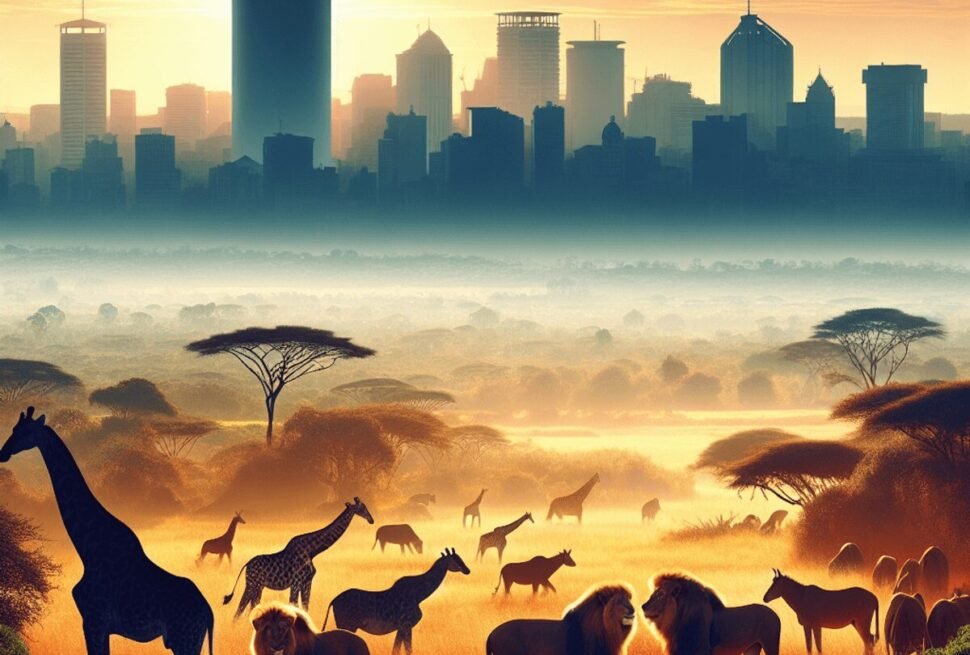
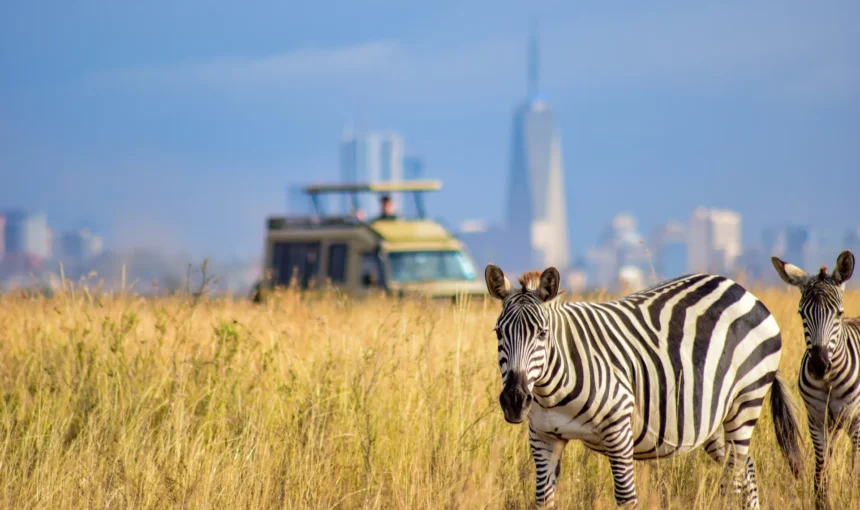
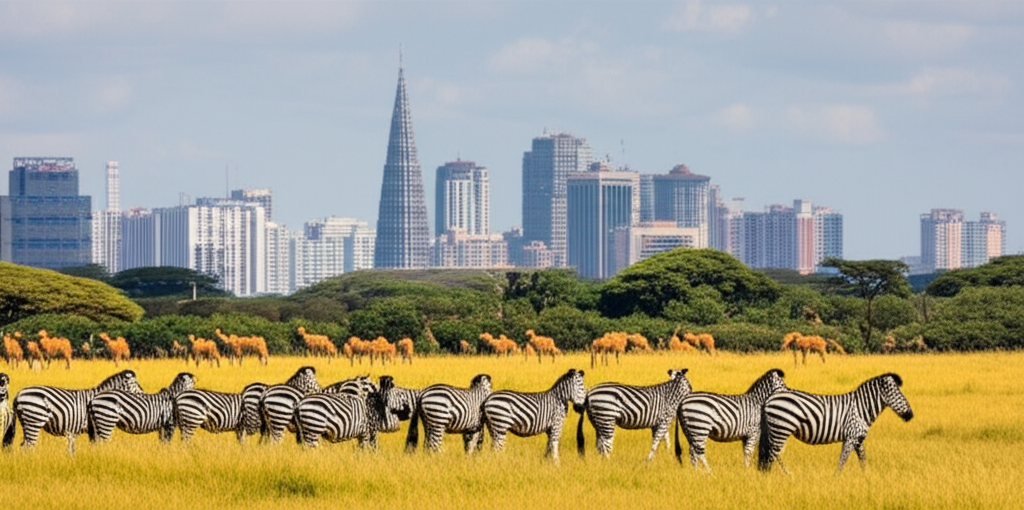
Imagine watching a lion yawn lazily in the golden morning light, the Nairobi city skyline shimmering in the background. It sounds like a dream — but that’s exactly what awaits you when you learn about Nairobi National Park, one of the most extraordinary and unlikely wildlife sanctuaries on the planet. Just seven kilometres from the heart of a bustling capital city of over five million people, this remarkable park offers an experience found absolutely nowhere else on Earth: a genuine, raw African safari with skyscrapers as your backdrop. Whether you’re a first-time visitor to Kenya or a seasoned safari traveller, Nairobi National Park deserves a permanent place on your itinerary.
What Makes Nairobi National Park So Uniquely Special?
Established in 1946, Nairobi National Park holds the distinguished title of Kenya’s very first national park. Covering an area of approximately 117 square kilometres, it may be modest in size compared to the vast Maasai Mara or Tsavo, but what it lacks in scale it more than compensates for in sheer, startling drama. The park sits at an elevation of around 1,500 to 1,760 metres above sea level, giving the landscape a lush, open quality that differs markedly from other Kenyan reserves.
What truly sets this park apart is its iconic open southern boundary. Unlike fully fenced reserves, this porous border allows wildlife — particularly wildebeest, zebra, and other migratory species — to move freely between the park and the broader Athi-Kapiti ecosystem. This means the wildlife you encounter isn’t confined or manufactured; it’s wild, seasonal, and wonderfully unpredictable. The park is home to over 100 mammal species and an astonishing 400+ bird species, making every single visit feel like a completely new adventure.
There is also a deeply symbolic quality to Nairobi National Park. It stands as a powerful statement that nature and urban development can coexist — though that balance is fragile and worth protecting. When you visit, you’re not just enjoying a safari; you’re participating in one of conservation’s most remarkable ongoing experiments.
The Wildlife of Nairobi National Park: Who Will You Meet?
The star-studded cast of animals roaming Nairobi National Park would impress even the most well-travelled safari enthusiast. The park is one of Kenya’s most important sanctuaries for the critically endangered black rhinoceros, and sightings here are genuinely more reliable than in many larger, more remote reserves. Watching a rhino move through the open grasslands, unhurried and prehistoric-looking, is an experience that will stay with you for the rest of your life.
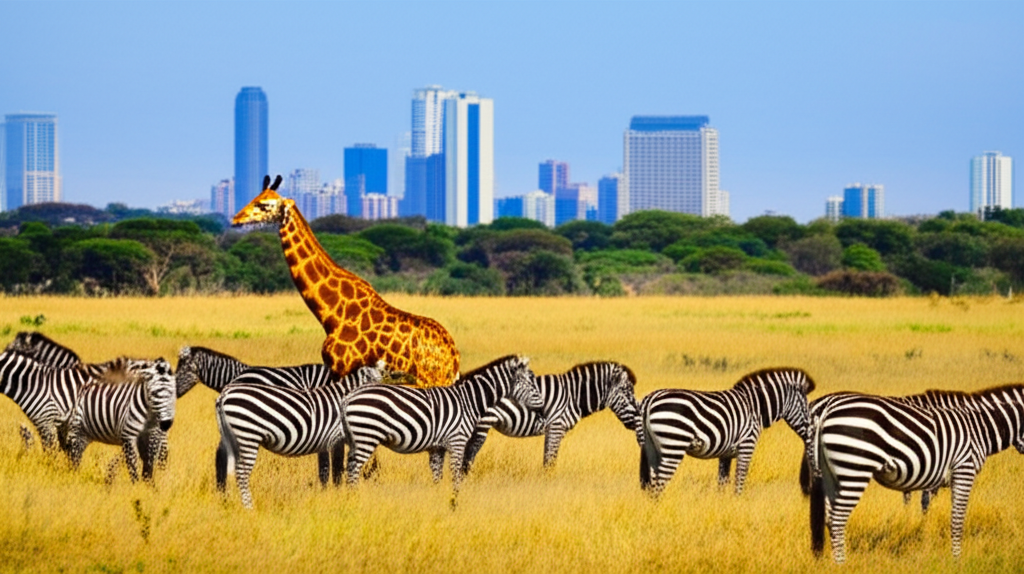
Lions are a consistent presence, with several resident prides that have learned to navigate the park’s varied terrain of open plains, riverine forest, and rocky gorges. Leopards stalk the denser vegetation along the Mbagathi River, while cheetahs — sleek and breathtakingly fast — are regularly spotted in the more open grassland areas. Buffalo herds drift across the plains in impressive numbers, and the park also supports healthy populations of giraffe, zebra, wildebeest, eland, kongoni, impala, and warthog.
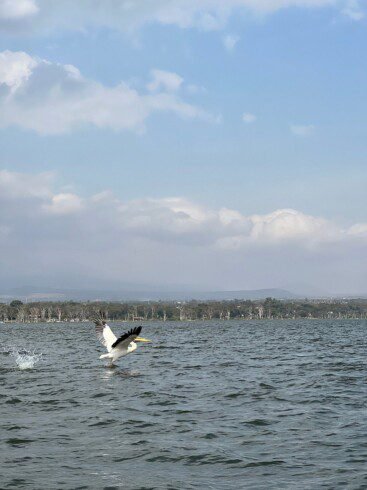
Birdwatchers are in for an absolute treat. From the majestic martial eagle riding thermals overhead to the dazzling lilac-breasted roller perched on a whistling thorn acacia, the avian diversity is staggering. Ostriches stride across the open plains, secretary birds hunt methodically through the grass, and the park’s dams attract a rich variety of water birds including herons, storks, and the occasional saddle-billed stork.
- Big cats: Lion, leopard, cheetah
- Mega-fauna: Black rhino, buffalo, giraffe, hippo (in the Mbagathi River)
- Plains game: Zebra, wildebeest, eland, kongoni, impala, Grant’s gazelle
- Birds: 400+ species including raptors, waterbirds, and grassland specialists
When Is the Best Time to Visit Nairobi National Park?
One of the great advantages of Nairobi National Park is that it rewards visitors throughout the year — there truly is no bad time to come. That said, understanding the seasonal rhythms will help you get the very most from your visit.
The dry seasons — from late June to October and from January to February — are widely considered the best times for game viewing. Vegetation thins out as water sources recede, concentrating wildlife around the permanent dams and along the Mbagathi River. Animals become easier to spot against the tawny, sun-bleached grass, and the risk of heavy rain disrupting your game drive is minimal. Morning game drives during these months offer spectacular light for photography, with a cool breeze and the city slowly waking behind you.
The wet seasons (March to May and November to December) bring their own magic. The park transforms into a vivid tapestry of green, flowers bloom across the plains, and the birdlife reaches its peak as migrants arrive from Europe and Asia. Newborn animals appear with delightful frequency, and the dramatic skies create extraordinary photographic backdrops. Game drives can be muddier and sightings slightly harder-earned, but many experienced safari-goers consider this their favourite time to visit.
The Great Migration spillover period — typically between July and October — also brings larger herds of wildebeest and zebra into the park from the south, dramatically increasing the wildlife spectacle on the open plains.
Practical Tips for Visiting Nairobi National Park
Getting to Nairobi National Park is refreshingly simple compared to more remote Kenyan destinations. The main gate — the East Gate — is located just off Langata Road, approximately 7km from the city centre. For visitors arriving or departing via Jomo Kenyatta International Airport, the park actually borders the airport road, making a sunrise game drive on your first morning or final afternoon in Kenya an entirely practical option.
The park opens daily from 6:00 AM to 6:00 PM, and most experienced guides recommend early morning game drives for the best wildlife activity and light. Game drives typically last between two and four hours, though you could easily spend a full day exploring the park’s varied habitats — open plains, highland dry forest, and the rocky Mbagathi River gorge.
Entry fees are managed by the Kenya Wildlife Service (KWS) and are payable via the park’s automated system. Non-resident adults pay in USD, and rates are subject to change, so always confirm current pricing before your visit. Vehicles require a valid park sticker, and self-drive is permitted, though booking a professional guide will transform your experience — knowledgeable naturalists know the animals’ territories, behaviours, and hiding spots in ways that no map or app can replicate.
- Arrive at the gate as early as possible — 6:00 AM is ideal
- Bring binoculars; many sightings occur at distance across open plains
- Carry water, sunscreen, and a light jacket for early mornings
- Stay inside your vehicle at all times unless in designated areas
- Keep noise to a minimum to avoid disturbing wildlife
Beyond the Game Drive: Other Experiences in the Park
While the game drive is rightly the headline attraction, Nairobi National Park offers a richer portfolio of experiences than many visitors realise. The Nairobi Animal Orphanage, located at the main gate, is run by the Kenya Wildlife Service and provides refuge for injured and orphaned wildlife. It’s a wonderful complement to a game drive, particularly for families with children, and offers close-up encounters with species like servals, caracals, and various antelope.
The Safari Walk — an elevated boardwalk adjacent to the orphanage — allows you to walk safely above and beside native Kenyan wildlife and habitats in a beautifully landscaped setting. It’s educational, accessible, and offers superb photographic opportunities even for those not on a full game drive.
For those interested in Kenya’s conservation story, the park is also home to the historic ivory and rhino horn burning site where, in 1989, President Daniel arap Moi dramatically burned 12 tonnes of ivory to send a global message against poaching. A monument marks the spot, and visiting it adds profound context to every animal encounter that follows.
Picnic sites are dotted throughout the park, and sundowner game drives at golden hour — when the light turns amber and the city begins to glow — are among the most atmospheric experiences Kenya has to offer.
Conservation: The Story Behind the Park’s Survival
Understanding the conservation challenges facing Nairobi National Park deepens every moment you spend within its borders. The park is under constant pressure from urban expansion, with infrastructure development, human-wildlife conflict, and the gradual erosion of the southern wildlife corridor posing existential threats to its long-term viability.
The wildlife corridor — that crucial open southern boundary — is the lifeline connecting the park to larger ecosystems. As private land around the corridor is subdivided and developed, migratory routes are severed, and the park risks becoming an isolated island of wildlife in an urban sea. Organisations like the Wildlife Conservation Society, the Nairobi National Park Conservation Trust, and countless passionate local conservationists are working tirelessly to protect this corridor.
When you visit with a responsible operator, you’re contributing directly to this conservation effort. Park entry fees fund KWS ranger patrols, anti-poaching operations, and habitat maintenance. Choosing a guide or operator who prioritises ethical wildlife interaction and community engagement amplifies that positive impact still further. Your safari dollars are votes for the future of this extraordinary place.
Plan Your Nairobi National Park Safari with Rustic Nature Tours
There is no better way to experience everything there is to know about Nairobi National Park than with expert guides who know every corner of this remarkable wilderness. At Rustic Nature Tours, we’ve spent years perfecting the art of the urban safari — crafting experiences that go far beyond a standard game drive to reveal the park’s hidden stories, secret wildlife corridors, and most spectacular wildlife moments.
Our guests consistently tell us that their Nairobi National Park visit was one of the most surprising and memorable experiences of their entire Kenya trip. The combination of wild Africa and urban skyline, the reliability of the rhino sightings, the intimacy of a smaller reserve — it creates something genuinely unique that no amount of words can fully prepare you for. You simply have to be there.
Whether you’re arriving in Nairobi for the first time, looking for a meaningful half-day experience between flights, or building Nairobi National Park into a broader Kenya safari itinerary, we’re here to make it extraordinary. Explore our Urban Safari guide with 10 fascinating insights into Nairobi National Park to go even deeper — and then get in touch with our team to start planning your visit. This is one safari experience that will genuinely take your breath away.
Frequently Asked Questions
Is Nairobi National Park worth visiting?
Absolutely — and most visitors say it’s one of the most surprising highlights of their entire Kenya trip. The combination of genuine Big Five wildlife (lions, leopards, buffalo, rhino, and occasional elephant visits) against the backdrop of Nairobi’s skyline creates a completely unique safari experience found nowhere else in the world. It’s also easily accessible, making it an ideal first or last day activity around an international flight.
How long should I spend in Nairobi National Park?
A standard morning game drive lasts around three to four hours, which is sufficient to cover the park’s main circuits and have a good chance of spotting key species. For a more comprehensive experience — including the Safari Walk, Animal Orphanage, and a picnic lunch — a full day is ideal. Many visitors combine an early morning game drive with an afternoon at the Safari Walk for a richly varied day.
Can you see the Big Five in Nairobi National Park?
You can see four of the Big Five reliably: lion, leopard, buffalo, and black rhino. Elephants are occasional visitors to the park but are not resident, so sightings are a bonus rather than a guarantee. The park is actually one of Kenya’s best places to see the critically endangered black rhinoceros, making it extremely valuable for serious wildlife enthusiasts.
Is it safe to visit Nairobi National Park?
Yes, Nairobi National Park is considered safe for visitors. The park is managed by the Kenya Wildlife Service, which maintains active ranger patrols throughout. As with all wildlife parks, standard safari safety rules apply — remain in your vehicle during game drives, follow your guide’s instructions, and stay on designated roads. Visiting with a reputable safari operator like Rustic Nature Tours ensures you benefit from experienced, knowledgeable guidance throughout.
What is the best time of day to visit Nairobi National Park?
Early morning is by far the best time. The park opens at 6:00 AM, and the first two hours after opening offer the coolest temperatures, the most active wildlife behaviour, and the most spectacular photographic light. Lions, leopards, and cheetahs are most active at dawn before retreating to shade as the sun rises. Sundowner drives in the late afternoon are a wonderful alternative, offering golden light and an atmospheric end to the day as the city begins to illuminate behind the wildlife silhouettes.