The silence hits you first. Not the silence of an empty room — something deeper, older. You’re parked on a red dirt track at 6am, engine off, and the Mara is waking up around you. Somewhere behind a wall of golden grass, a lion exhales. Your guide cuts the ignition. Nobody speaks. A Kenya safari doesn’t ease you in gently. It grabs you by the collar from the first morning and doesn’t let go.
That feeling — the suspended breath, the goosebumps despite the warmth — is what draws people back to Kenya year after year. But between the fantasy and the flight home, there’s a lot to navigate. The parks, the timing, the logistics, the cost. This post is written for anyone seriously considering a Kenya safari and wanting honest, specific guidance rather than glossy brochure language.
Why Kenya Remains the Heartbeat of African Safari Travel
There are extraordinary safari destinations across the continent — Tanzania, Botswana, Zimbabwe. Kenya holds its own against all of them, and for some travellers it exceeds them. Here’s why.
The diversity is almost unfair. In a single trip you can move from the sweeping, big-sky drama of the Masai Mara to the surreal, dust-white plains of Amboseli with Kilimanjaro looming on the horizon. You can watch flamingos turn Lake Nakuru pink at dawn, then be sipping tea in a highland forest lodge by afternoon. The country packs an extraordinary range of ecosystems into a relatively compact geography — which is brilliant news for first-time visitors who want to see a lot without spending weeks in transit.
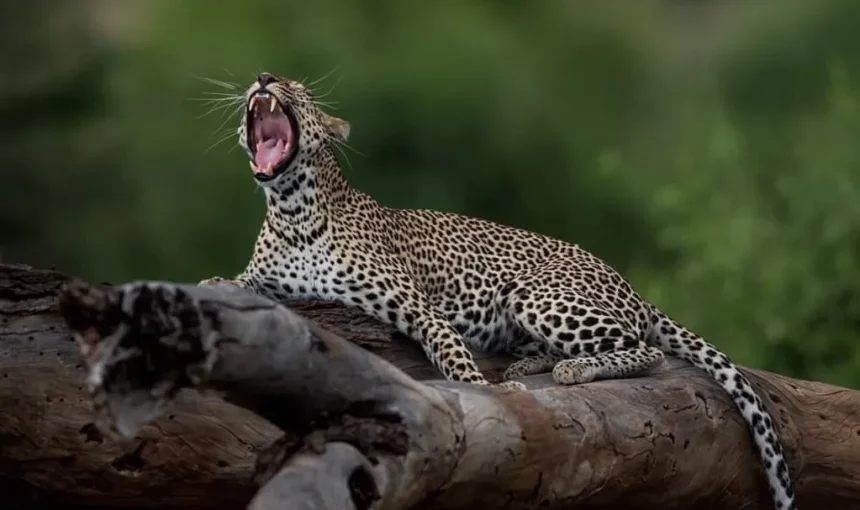
Then there’s the wildlife density. The Mara ecosystem supports one of the highest concentrations of large predators on Earth. Cheetahs hunt in the open — you can actually watch the full arc of a chase, not just a distant blur in the bush. Elephants in Amboseli roam in large, relaxed herds, unfazed by vehicles. Leopards drape themselves across fig trees in the Laikipia plateau. The animals here have grown accustomed to respectful observation, which means you get close — genuinely, memorably close.
What most visitors don’t realise until they arrive is how much human culture adds to the experience. Interactions with Maasai communities, the rhythm of a Swahili coastal town after a safari, the warmth of Kenyan guides who grew up reading animal tracks like sentences — these threads weave through the whole trip. A Kenya safari isn’t just about the Big Five. It’s about a country.
The Best Time for a Kenya Safari (The Honest Answer)
Every travel guide gives you the same two windows: July to October for the Great Migration, January to February for the dry season. Both are correct. But there’s more texture to the story.
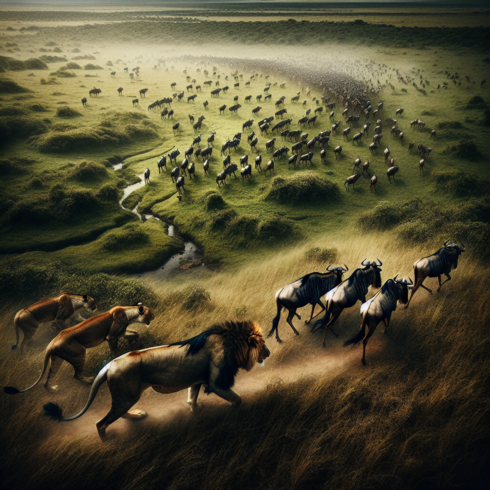
The Great Migration river crossings — wildebeest and zebra thundering into the Mara River while crocodiles wait — happen roughly between July and September, though the timing shifts each year based on rainfall patterns in Tanzania’s Serengeti. If witnessing a river crossing is non-negotiable for you, build at least five days in the Mara into your itinerary. The crossings are unpredictable and watching one sometimes means waiting half a day at a crossing point. It’s worth it. Completely, utterly worth it.
January and February offer something different: quieter parks, lower rates at some camps, and reliably excellent game viewing because the vegetation is dry and sparse. Animals cluster around water sources, which makes finding them more predictable. The air in Amboseli at this time of year is so clear that Kilimanjaro appears almost close enough to touch.
The so-called “green season” — April through June — gets overlooked unfairly. Yes, there’s rain. But the landscape transforms into something lush and cinematic. Migratory birds arrive in extraordinary numbers. Baby animals are everywhere. Prices drop considerably. If photography or birdwatching is your thing, the green season in Kenya is genuinely spectacular.
The honest answer on timing? Almost any month in Kenya delivers remarkable game viewing. What changes is the experience around it — the crowds, the landscape, the specific wildlife highlights. We help travellers match the timing to what matters most to them, which is always a better approach than chasing a single “best month.”
Choosing Your Kenya Safari Parks: More Than Just the Mara
The Masai Mara deserves every superlative it receives. But planning an entire Kenya safari around one park is like visiting Italy and only going to Rome. Brilliant — but incomplete.
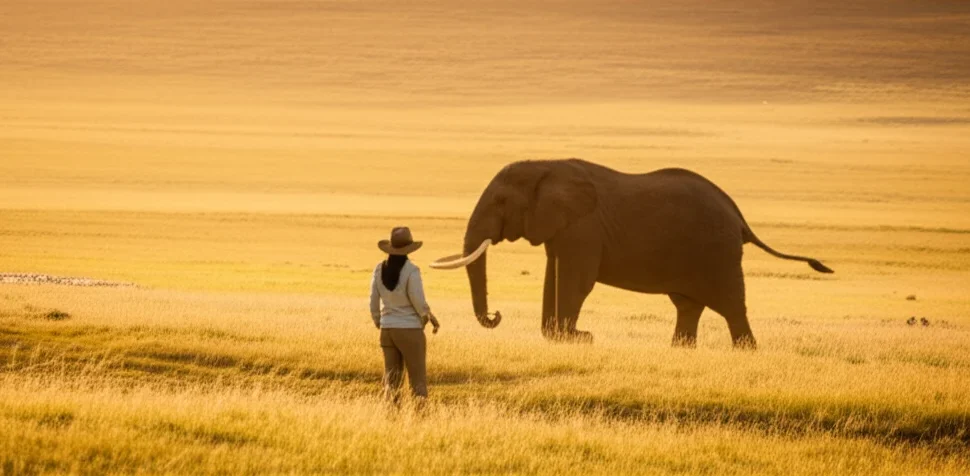
Amboseli National Park offers something the Mara can’t: that iconic view of massive elephant herds moving beneath the snow-capped peak of Africa’s highest mountain. The elephants here are some of the most studied in the world, and their relaxed, curious nature around vehicles makes for extraordinary encounters. If you’ve always dreamed of photographing elephants, Amboseli is where dreams become memory cards full of exceptional shots. We’ve written a detailed comparison of Amboseli vs Masai Mara that’s worth reading before you decide.
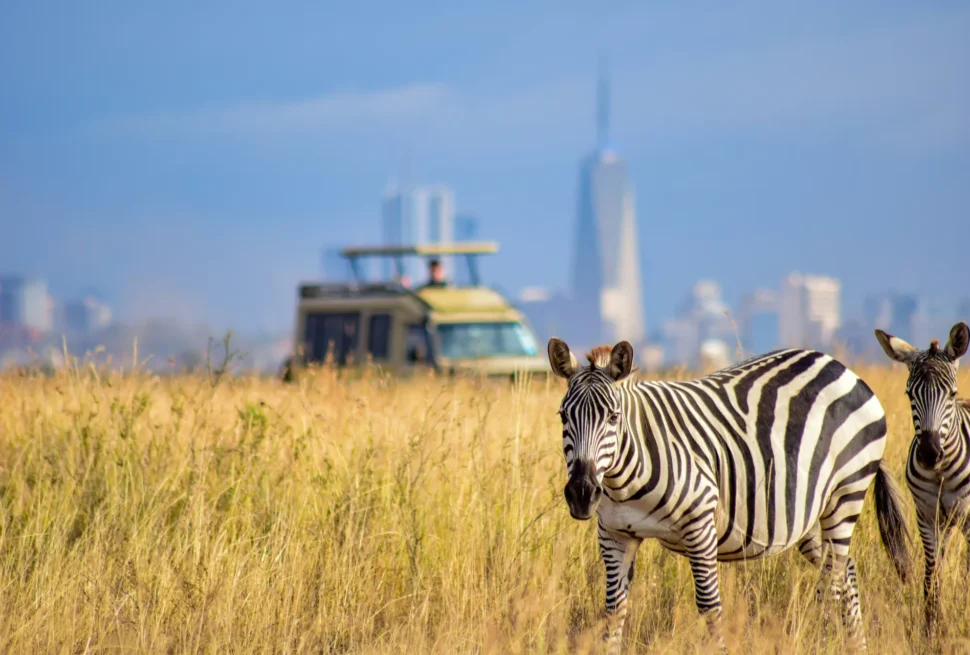
Nairobi National Park is the world’s only national park inside a capital city — and most people dismiss it as a token stop. That’s a mistake. Rhinos, lions, leopards, and hundreds of bird species roam just 7km from downtown Nairobi. It’s an extraordinary place, and a morning game drive here makes a logical and rewarding start or end to any Kenya safari. Our guide to Nairobi National Park has everything you need to plan it properly.
Laikipia Plateau, Samburu, and Lake Nakuru round out an itinerary beautifully. Samburu offers species you won’t find in the south — Grevy’s zebra, reticulated giraffe, gerenuk — and a raw, red-earthed wilderness that feels untouched. Lake Nakuru, in the Rift Valley, is a birder’s paradise and one of Kenya’s best places to see both black and white rhino.
The best Kenya safaris layer these different ecosystems together. Movement between parks feels adventurous rather than exhausting when the itinerary is well designed — which is why knowing the country intimately, rather than just booking lodges on a map, makes all the difference.
What a Kenya Safari Actually Costs (And Where the Value Lies)
Let’s be direct: Kenya is not the cheapest safari destination in Africa. But it’s also far more accessible than many travellers assume, and the range of options — from classic tented camps to luxury lodges — is genuinely wide.
A mid-range Kenya safari, staying in comfortable permanent tented camps with full board and guided game drives, typically runs between $350–$600 per person per night during peak season. Luxury camps in private conservancies push above that, sometimes considerably. Budget-conscious options exist too — and they don’t require sacrificing the experience entirely. We’ve put together honest guidance on affordable Kenya safaris for travellers watching their budget carefully.
What’s worth paying for? A knowledgeable guide. Full-time, experienced guides who know the Mara’s terrain, who can read animal behaviour, who understand light and positioning for photography — they’re the difference between a good game drive and an exceptional one. Don’t compromise there.
Private conservancies adjacent to the main parks are also worth the premium. No minibus convoys, no fixed game drive times, the ability to go off-road, and walking safaris — the wildlife experience is simply more intimate and less regimented. For many travellers, spending a night or two in a conservancy alongside time in the national park is the ideal blend.
Practical Things Most First-Timers Don’t Think to Ask
A few things that come up again and again from travellers who’ve done their research but still got caught out:
- Packing layers is non-negotiable. Early morning game drives on the open Mara are genuinely cold — 10–14°C isn’t unusual in July. By 11am you’ll be down to a t-shirt. Pack accordingly.
- Neutral colours for game drives. Bright clothing disturbs animals and makes you less invisible in an open vehicle. Olive, khaki, tan, grey. Leave the white linen for the sundowner.
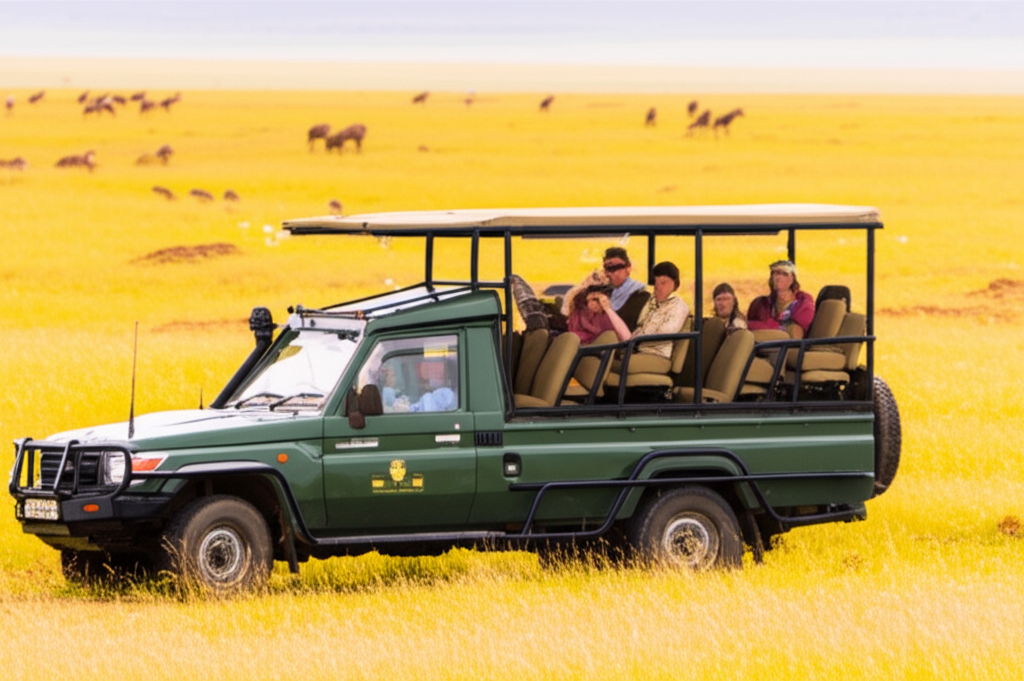
- Kenya’s road conditions vary wildly. The drive from Nairobi to the Mara is a full day journey — some operators fly clients to airstrips near the parks, which is worth considering if your time is limited. Internal flights in Kenya are affordable and the views are extraordinary.
- Visas are straightforward. Most nationalities can apply for an e-Visa online before travel. Budget around USD $51 and apply at least two weeks in advance.
- Tipping is customary and important. Your guide, camp staff, and tracker depend on gratuities as a meaningful part of their income. A rough guide: $15–20 per day for your guide, $5–10 per day shared for camp staff.
One thing that surprises nearly every first-time visitor: how much stillness a great safari involves. The temptation is to rush from sighting to sighting. But the best moments often come from staying — watching a pride of lions for two unhurried hours, reading their body language, waiting for something to shift. Your guide will know. Trust them.
How to Make Your Kenya Safari Mean More
Something shifts in people on safari. It might be the scale of the landscape, the proximity to animals living entirely on their own terms, or the quiet removal from daily noise. Many travellers return wanting to contribute — to leave something behind beyond footprints.
Kenya has a remarkable network of conservation and community projects that welcome meaningful visitor involvement. If elephants moved you (and they will), consider adopting an elephant through the David Sheldrick Wildlife Trust — a genuinely impactful way to support orphaned calves and the wider ecosystem. Many of our itineraries include visits to conservation initiatives that connect you to Kenya’s wildlife story at a deeper level.
Choosing a responsible operator matters too. Ask where your money goes. Who owns the camps? Are local communities employed and benefiting? Is the conservancy model one that directly funds anti-poaching? These questions don’t complicate the planning — they make the whole experience feel more grounded and real.
Frequently Asked Questions
How many days do I need for a Kenya safari?
A minimum of seven days gives you enough time to visit two parks without feeling rushed — for example, the Masai Mara plus Amboseli or Lake Nakuru. Ten to twelve days allows for a richer, more varied itinerary including a conservancy stay and time in Nairobi. Our 7-Day Mara, Aberdare & Mt Kenya Safari is a well-paced example of how much you can experience in a week when the routing is thoughtfully designed.
Is Kenya safe for tourists?
Kenya’s main safari destinations — the Masai Mara, Amboseli, Laikipia, Samburu — are well-established, safe, and visited by hundreds of thousands of international tourists each year. Nairobi, like any major city, warrants the same common-sense awareness you’d apply anywhere. Your safari operator will brief you thoroughly on current conditions and logistics. With a reputable operator and well-planned itinerary, Kenya is a very safe destination.
What is the Great Migration and do I have to see it?
The Great Migration is the annual movement of roughly 1.5 million wildebeest and hundreds of thousands of zebra between Tanzania’s Serengeti and Kenya’s Masai Mara. The river crossings — when herds plunge into the Mara River — are arguably the most dramatic wildlife spectacle on Earth. But no, you don’t have to plan your trip around it. Kenya offers world-class game viewing year-round, and some travellers deliberately visit outside peak Migration season for quieter parks and lower prices.
Can I combine a Kenya safari with a beach holiday?
Absolutely — and many travellers do. Kenya’s Indian Ocean coast, particularly Diani Beach and the Watamu/Malindi area, is genuinely beautiful. A classic combination is five to seven days on safari followed by three to four days on the coast. The Swahili culture, white sand, and warm water feel like a natural exhale after the intensity of the bush. Mombasa is well-connected by domestic flight from Nairobi.
What animals can I realistically expect to see?
In the Masai Mara, sightings of lion, elephant, buffalo, hippo, crocodile, cheetah, hyena, and a wide variety of antelope species are extremely common. Leopard sightings are more variable but regular. Rhino are best sought in specific areas — Nairobi National Park, Ol Pejeta Conservancy, or Lake Nakuru. No responsible guide will ever guarantee specific sightings, but Kenya’s wildlife density means most visitors return having seen far more than they expected.
A Kenya safari is one of those experiences that rearranges your interior furniture. You come back different — quieter in a good way, with a sense of scale and proportion that’s hard to articulate but impossible to unfeel. The red dust, the silence, the lion’s breath at 6am. It waits for you.
When you’re ready to start planning, the team at Rustic Nature Tours is here — not to sell you a package, but to help you design the trip that fits your time, your interests, and your budget. Start with our 7-Day Mara, Aberdare & Mt Kenya Safari for inspiration, or get in touch and let’s talk through what the right Kenya safari looks like for you.