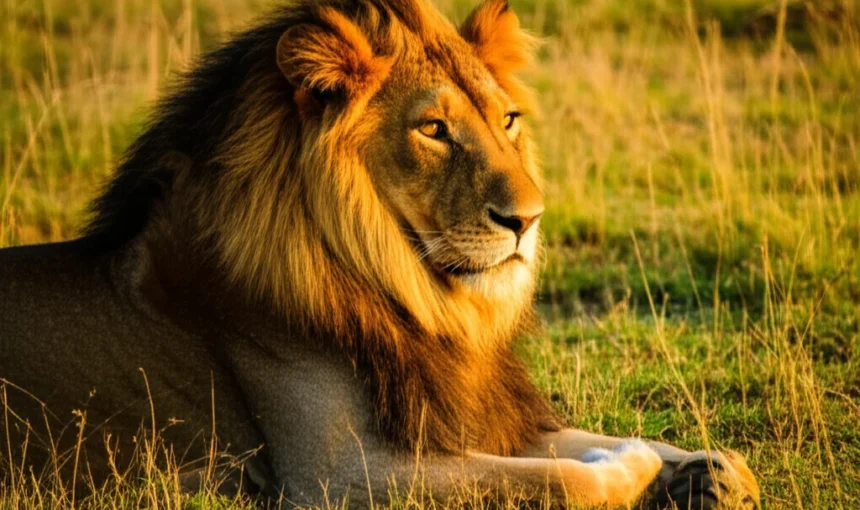
It’s 6:04 in the morning and the Maasai Mara is not yet fully awake. The air smells of damp grass and something faintly animal — warm and wild. Your guide cuts the engine. Forty metres ahead, a lion sits in the long amber grass, face turned directly into the rising sun, eyes half-closed. You raise your camera. The light is extraordinary. Liquid gold. And in that single, suspended moment, you understand exactly why photographers fly halfway across the world for this. Whether you’re planning your first kenya safari photography tips best parks for wildlife photos or returning for another adventure, this guide covers everything you need to know.
Kenya does this to people. If you’re planning a trip and want to come home with images that genuinely move people — not just decent holiday snaps — then getting serious about kenya safari photography tips best parks for wildlife photos before you travel will transform what you capture. This guide covers exactly that: the parks, the light, the gear decisions, the timing, and the honest mistakes first-timers make that cost them the shot of a lifetime.
Why Kenya Is One of the World’s Great Wildlife Photography Destinations
The honest answer is geography and density. Kenya’s ecosystems stack extraordinarily varied habitats — open savannah, acacia woodland, alkaline lakes, riverine forest — into a relatively compact geography. That means a well-planned itinerary can deliver radically different backdrops and species within days of each other, which matters enormously for building a varied portfolio.
But the real advantage is the light. Kenya sits just south of the equator, and the quality of sunrise and sunset light here — especially between June and October when the air is dry and clear — is genuinely unlike most places on earth. The golden hour stretches longer. Shadows fall more dramatically. The red dust of the Mara or the white alkali flats of Amboseli act almost like natural reflectors, bouncing warmth back into your frame.
What most visitors don’t realise is that Kenya’s game reserves also have some of the most habituated wildlife on the continent. These animals have grown up alongside safari vehicles. They don’t bolt. They don’t freeze. They simply go about their lives — hunting, nursing cubs, quarrelling over a kill — while you sit close enough to fill a frame with a 300mm lens. That proximity is the difference between a wildlife documentary and a holiday photo.
The other thing that sets Kenya apart for photographers specifically is the diversity of photographic moments in a single day. Dawn brings predators on the move. Mid-morning, the big herds gather at water. Afternoon light sculpts landscapes with long shadows. At dusk, silhouettes of giraffe against an orange sky. Kenya rewards photographers who stay in the vehicle and pay attention.
The Best Parks for Wildlife Photography in Kenya
Not every park is equal when it comes to photography. Here’s an honest breakdown of where to point your lens and why.
Maasai Mara — The Photographer’s Cathedral
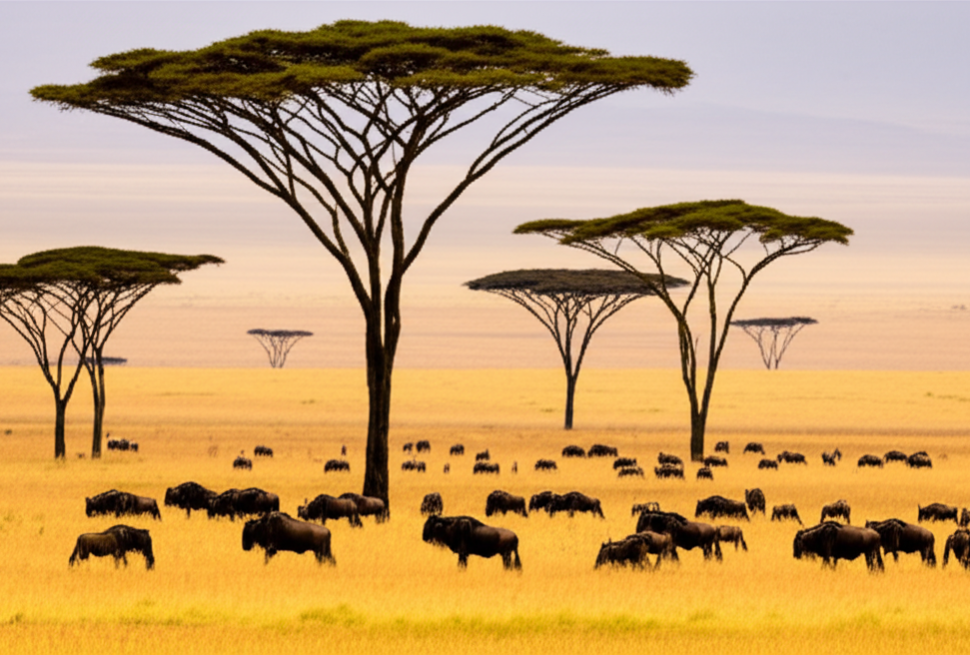
If you have only one park on your list, it has to be the Mara. The landscape is a photographer’s dream: open, rolling grassland with enough scattered acacia to frame subjects without obscuring them. Big cats are extraordinarily accessible — lions, leopards and cheetahs are all resident, and the guides here are among the best wildlife trackers in Africa.
The Great Migration (typically July to October) adds a layer of spectacle that simply doesn’t exist anywhere else. Thousands of wildebeest churning through the Mara River, crocodiles erupting from the brown water, dust clouds rising fifty feet — it’s chaotic, terrifying and completely magnificent on camera. Arrive before 7am at the crossing points if you want the best light and the best position.
Outside migration season, the Mara is still exceptional. Resident prides of lion are large and well-documented. The Mara Triangle tends to be less crowded than the main reserve and often produces better photographic conditions simply because there are fewer vehicles competing for angle.
Amboseli — Elephants and Kilimanjaro
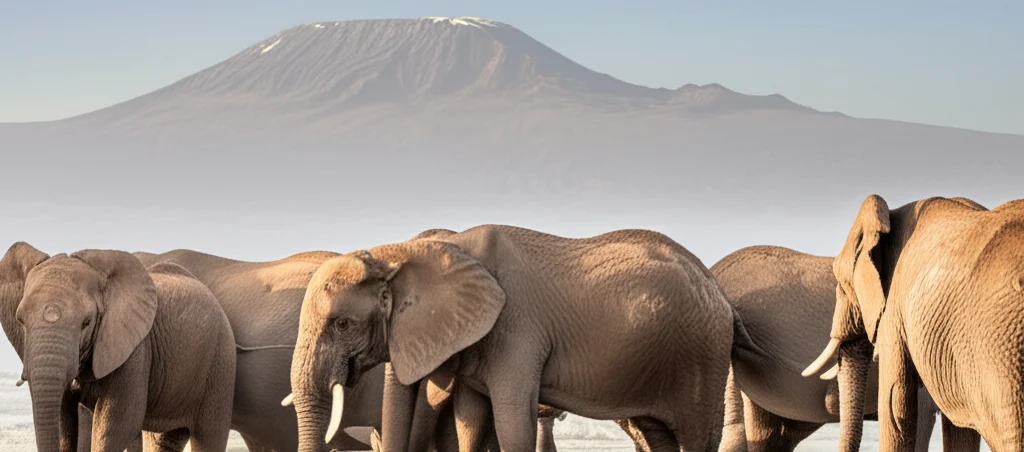
Amboseli does one thing that no park in Africa replicates: it puts Africa’s largest land animal in front of Africa’s highest mountain. When Kilimanjaro is clear — usually early morning before cloud builds — and a herd of elephants moves across the dusty floodplain with that white peak behind them, you are looking at one of the great wildlife images on earth.
The elephants of Amboseli are the most studied and most photographed on the continent. They are calm around vehicles and they move in large family groups, which creates beautiful compositional opportunities — matriarchs leading, calves stumbling through dust, teenagers play-fighting at the water’s edge. Bring a wide lens as well as your telephoto. Sometimes the landscape is the story.
One honest note: Amboseli can be extremely dusty, particularly in the dry season. Protect your gear with a dust cover or a simple plastic bag, and clean your sensor more frequently than you think necessary.
Samburu National Reserve — Species You Won’t Find Elsewhere
Samburu is the north, and it feels completely different. The landscape is drier, more skeletal — doum palms along the Ewaso Ng’iro river, red-soiled plains, dramatic rocky outcrops. And it contains species you simply won’t photograph in the south: the reticulated giraffe (dramatically patterned), Grevy’s zebra (smaller stripes, rounder ears), the gerenuk (a gazelle that stands on its hind legs to browse), and the Somali ostrich.
For photographers who want their Kenya portfolio to look different — not just more Mara lion shots — Samburu is essential. The light in the north can be fierce and harsh by mid-morning, so prioritise the first two hours after sunrise and the hour before sunset. The river is a particularly productive location in the afternoon, drawing elephants, crocodiles and lion down to drink.
Lake Nakuru — Flamingos, Rhinos and High Drama
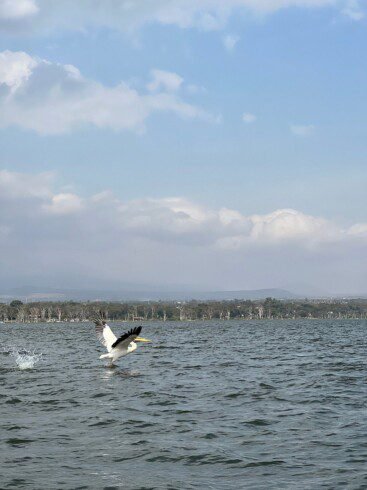
Lake Nakuru in the Rift Valley has undergone real changes in recent years — fluctuating water levels have affected the flamingo numbers that once defined it. But it remains a superb photography destination, and it’s one of Kenya’s best parks for both black and white rhino. Getting a tight frame on a rhino with the pink shimmer of the lake behind it is the kind of shot people print and hang on walls.
When the flamingos are present in large numbers, aerial-perspective shots from the escarpment viewpoint at dawn are staggering — a pink carpet stretching to the horizon, perfectly mirrored in still water.
Kenya Safari Photography Tips: Gear, Light and Technique
You don’t need to spend forty thousand dollars on camera bodies to come home with extraordinary images from Kenya. But you do need to understand a few things that most beginner wildlife photographers get wrong.
Lens Choice Is More Important Than Body Choice
A good 100–400mm zoom lens on a mid-range mirrorless or DSLR body will outperform an expensive body with a poor lens every single time. In the Mara, animals are often close enough for a 300mm shot. In Amboseli, you may want a wider perspective to include Kilimanjaro. A versatile zoom (100–500mm or 200–600mm) covers the vast majority of safari situations. Bring a wide angle too — landscapes, camps, and the sheer scale of the savannah deserve it.
Learn to Work the Light, Not Just the Animals
Here’s the thing about wildlife photography that nobody tells you when you’re starting: the animal is only half the image. The other half is light. Golden hour in the Mara produces shots that look like paintings. The same scene at 11am produces a flat, harsh, technically fine but emotionally dead photograph. Request early morning and late afternoon game drives. Sleep through the midday heat. The light will tell you when to shoot.
Shoot in RAW Format and Expose for the Highlights
African light is high-contrast. If you expose for a lion’s dark mane, the bright sky blows out. Expose for the sky and the animal goes silhouette. RAW files give you the latitude to recover both in post-processing. Set your camera to RAW from the first morning. It takes more storage and more time in editing, but the flexibility it gives you is non-negotiable on a trip this significant.
Silence, Stillness and Patience Are Your Best Settings
More shots are ruined by movement in the vehicle than by any camera setting. When you’re close to an animal, brace your lens on a beanbag (most Rustic Nature Tours vehicles carry them), breathe out slowly before pressing the shutter, and resist the urge to chimp after every frame. Watch the animal, not the screen. The defining moment — a head turn, a yawn showing teeth, a cub batting at its mother’s ear — happens in a fraction of a second and it will not repeat.
When to Visit: Timing Your Kenya Photography Safari
For the strongest light and the best dry-season landscapes, late June through October is the gold standard. The grass is short, animals concentrate around remaining water sources (making them easier to find), and the air is clear. This coincides with the Great Migration in the Mara, which makes it the most popular — and most expensive — window.
January and February are underrated. The short dry season between the two rains brings excellent game viewing, far fewer tourists, lower camp rates, and extraordinary bird photography as migratory species are still present. The landscape is greener and lusher, which produces a completely different visual palette that can be stunning.
Avoid April and May if photography is your priority. The long rains make road conditions difficult, light is often flat and grey, and many camps partially close. The bush is beautiful and lush, but the mud and overcast skies work against you.
Whatever month you travel, build in at least five nights in the Mara if it’s your primary photography destination. Three nights is never enough. The Mara reveals itself slowly — by day four you know the landscape, you’ve learned your guide’s instincts, and you’re in position before the light, not chasing it.
Planning Your Kenya Wildlife Photography Safari with Rustic Nature Tours
The logistics of a photography-focused safari are different from a standard game-viewing trip. You want fewer vehicles at sightings, longer time at productive locations, vehicles with good window positions and beanbag support, and guides who understand that sometimes the best thing to do is stay with one sleeping lion for ninety minutes waiting for a perfect light change. Not every operator thinks that way.
At Rustic Nature Tours, our guides are briefed specifically on working with photographers — understanding composition needs, staying patient at sightings, and positioning the vehicle for the cleanest angle. Our small-group safaris mean you’re not competing with five other guests for the same window. And our itineraries are built to prioritise the right parks in the right seasons.
Whether you’re after your first lion shot or you’re a serious photographer building a portfolio, following these kenya safari photography tips best parks for wildlife photos will help you make every frame count. But the best investment you can make is pairing that knowledge with the right guide on the ground — someone who knows where the cheetah slept last night and which direction she’s likely to hunt at dawn.
If you’re ready to start planning, browse our Kenya safari itineraries here and let’s build a trip around the images you want to bring home.
Frequently Asked Questions
What camera gear should I bring on a Kenya safari for wildlife photography?
A telephoto zoom lens in the 100–500mm or 200–600mm range is your most important piece of kit. Pair it with a mid-range or better mirrorless or DSLR body, shoot RAW, and bring a beanbag to stabilise your lens on the vehicle window. A wide-angle lens (24–70mm) is worth packing for landscapes and environmental shots. Bring more memory cards and batteries than you think you need — you will shoot thousands of frames in a week.
Which Kenya park is best for beginner wildlife photographers?
The Maasai Mara is the most forgiving and rewarding park for photographers at any level. Wildlife density is high, animals are habituated and calm around vehicles, and the open landscape means you rarely have obstructed views. Guides in the Mara are also highly experienced at finding and positioning correctly at sightings. Amboseli is an excellent second choice, particularly if photographing elephants is a priority.
How early should I wake up for the best photography light on safari?
Be in the vehicle and moving before sunrise — typically around 6:00–6:15am depending on the season. The best light lasts roughly ninety minutes after sunrise. Equally, the hour before sunset (usually starting around 4:30–5:00pm) is extraordinary and should never be skipped. Many first-time visitors underestimate how fast the golden light disappears — plan your drives around it, not the other way around.
Do I need professional photography experience to get great shots in Kenya?
Not at all. Kenya’s wildlife, light and landscapes are so extraordinary that even photographers still learning their cameras regularly come home with images that astonish them. The key skills to develop before you arrive are understanding your camera’s burst mode, getting comfortable with manual or aperture-priority exposure, and learning to be still and patient. The animals and the light will do the rest.
What time of year gives the best wildlife photography conditions in Kenya?
Late June through October is widely considered the best window — dry season conditions mean short grass, clear air, excellent light and concentrated wildlife. This period also coincides with the Great Migration river crossings in the Maasai Mara. January and February offer a quieter, greener alternative with lower costs and still excellent game. Avoid the long rains of April and May if photography quality is your priority.