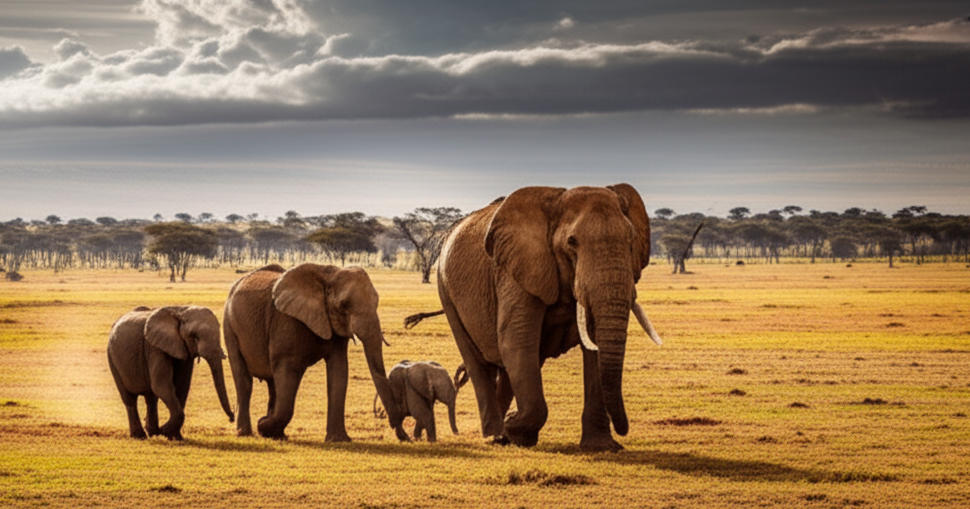
The first morning it hits you. You’re sitting outside your tent at 5:47am with both hands wrapped around a mug of coffee, and the savannah is doing something extraordinary: nothing. Just a pale pink sky, the smell of crushed grass and distant woodsmoke, and somewhere out in the dark, something moving. Then a lion calls. Low, rolling, unhurried. And you understand — completely and immediately — why people come back to Kenya again and again for the rest of their lives. Whether you’re planning your first kenya multi-park safari itinerary 10 days or returning for another adventure, this guide covers everything you need to know.
Ten days is the sweet spot. Long enough to move between radically different ecosystems, short enough to stay sharp and present. A well-designed Kenya multi-park safari itinerary 10 days is genuinely one of the most rewarding wildlife journeys on earth — but only if the routing makes sense, the camps are chosen with care, and you’re not spending half your trip in a minibus on a bad road. This is what that itinerary looks like when it’s done properly.
Why 10 Days is the Magic Number for a Kenya Multi-Park Safari
A week feels rushed. Two weeks is brilliant if you have it. But ten days? That’s the window where you can visit three or four distinct parks, settle into the rhythm of the bush, and still have time for the moments that don’t appear on any schedule — the leopard draped over an acacia branch at dusk, the sundowner beside a hippo pool, the Maasai elder who shares something real about how this land works. For those wondering what the best kenya multi-park safari itinerary 10 days looks like in practice, the answer lies in choosing your parks wisely and allowing each one room to breathe.
What most visitors don’t realise when they start planning is that Kenya’s parks are not interchangeable highlights. Each one has its own character, its own cast of wildlife, its own light. Amboseli is wide-open drama under Kilimanjaro. The Masai Mara is a theatre of predators. Samburu is a dry, ancient riverine ecosystem where species found nowhere else in East Africa wander past your breakfast table. Nakuru is intimate and birdwatcher-mad. The Laikipia Plateau is remote and rhino-rich.
Trying to fit all of them into 10 days is tempting but misguided. The honest answer is: four parks, done properly, will leave you more satisfied than six parks done in a blur. Depth beats breadth on every safari, every time.
The routing below focuses on three to four parks — with Nairobi as your arrival and departure point — and it works whether you fly between parks or drive the classic southern circuit. Both options are detailed below.
The Itinerary: Day-by-Day Through Kenya’s Greatest Parks
Days 1–2: Nairobi — Arrival and First Immersion
Most international flights land in Nairobi in the early morning. Don’t write off these first hours. Nairobi National Park sits just 7km from the CBD and offers something absurd and wonderful: lions and rhinos against a city skyline. It’s worth a half-day game drive to shake the jet lag and recalibrate your eyes for scale. In the afternoon, the David Sheldrick Elephant Orphanage lets you stand close enough to baby elephants to feel their breath — a moment that surprises even the most jaded travellers.
Stay at one of the quieter lodges on the Nairobi outskirts. Sleep early. Your real journey starts tomorrow.
Days 3–4: Amboseli National Park
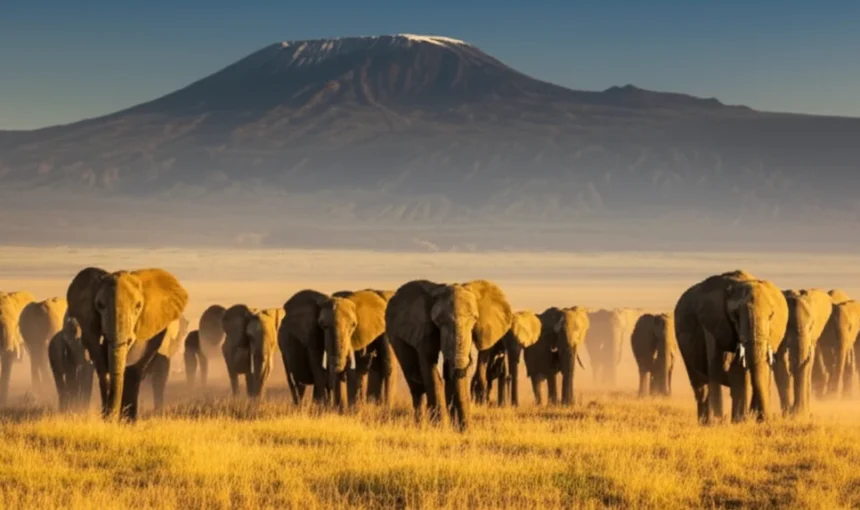
Four hours south of Nairobi (or a 45-minute charter flight), Amboseli delivers its most famous view within minutes of arrival: elephants moving through yellow grass with Kilimanjaro filling the entire sky behind them. The mountain is often cloud-free in the early morning, and those first hours in the park are sacred. Go out before 6am. Bring patience and a decent zoom lens.
Amboseli’s elephant families are among the most studied in the world — individual animals have names, histories, family feuds. A guide who knows them transforms the experience from wildlife watching into something closer to reading a novel. The swamp areas attract enormous numbers of birds, and lion sightings here are reliably good. Two nights gives you one full day in the park and two memorable dawn drives. On a kenya multi-park safari itinerary 10 days, Amboseli earns its place as a cornerstone stop.
Days 5–6: Lake Nakuru National Park
From Amboseli, head north to Lake Nakuru. The alkaline lake — ringed with fever trees and set in the floor of the Great Rift Valley — is famous for flamingos, but what stops people in their tracks these days is the rhino. Both black and white rhino thrive inside the park’s fenced boundaries, and Nakuru consistently offers some of Kenya’s best rhino sightings. If endangered species matter to you, this stop is non-negotiable.
The surrounding forest also shelters Rothschild’s giraffe, buffalo herds, and the occasional leopard. The compact size of the park means you can cover it thoroughly in two days without ever feeling like you’re rushing.
Days 7–10: Masai Mara National Reserve
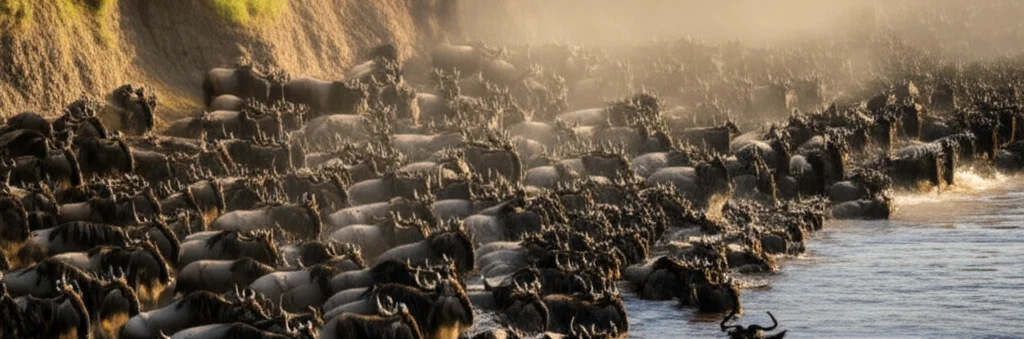
Save the best for last. The Masai Mara is Kenya’s most celebrated reserve, and four nights here — the ideal allocation when planning a kenya multi-park safari itinerary 10 days experience — give you the time to witness the full drama this landscape has to offer.
Packing Smart for a Kenya Multi-Park Safari Itinerary 10 Days
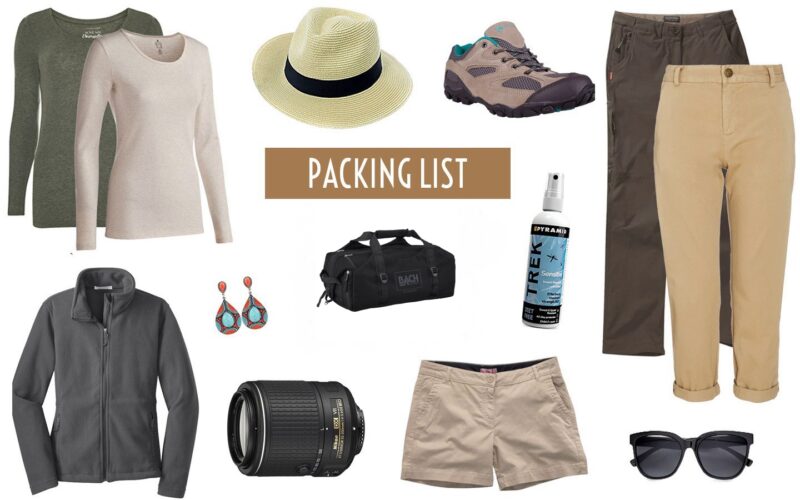
Most first-time visitors overpack, and it costs them — literally. Light aircraft between parks enforce strict baggage limits, typically 15kg total in a soft-sided bag. Hard suitcases are routinely refused at bush airstrips, so leave the roller bag in Nairobi hotel storage and travel with a duffel or a dedicated safari bag. This single decision removes more friction from a 10-day trip than almost anything else you can do in advance.
Layering is the practical approach to clothing. Amboseli mornings can be genuinely cold, particularly during July and August when the altitude and open plains combine to drop temperatures well before sunrise. By midday in the same location you may be sitting in 28°C heat. Lightweight merino base layers, a fleece mid-layer, and a windproof outer shell handle virtually every condition across Amboseli, Nakuru, and the Mara without taking up significant space.
A few specific items that experienced safari travellers consistently wish they had brought: a wide-brimmed hat that actually stays on during open-vehicle game drives, a quality dust bag for camera equipment (the Amboseli dust is fine and persistent), and a small daypack for items you want accessible in the vehicle rather than stowed in luggage. Binoculars deserve more thought than most people give them — a 10×42 configuration balances magnification and light-gathering well enough to work at dawn and dusk when the interesting wildlife behaviour tends to happen. Getting these details right before departure means your kenya multi-park safari itinerary 10 days runs smoothly from the first morning game drive rather than spending the early days improvising around avoidable gaps in your kit.