You smell it before you see it. A faint mineral sharpness on the breeze — something between salt and rain — that tells you the lake is close. Then the road bends, the acacia canopy opens, and the whole of Lake Nakuru spreads out below you: a sheet of silver-blue water rimmed, almost impossibly, with pink. Not a little pink. A deep, saturated, horizon-to-horizon blush of tens of thousands of flamingos, standing so densely packed they look like a living shoreline. Your guide cuts the engine. Nobody says anything. There’s nothing to say. Whether you’re planning your first lake nakuru safari guide flamingos rhinos or returning for another adventure, this guide covers everything you need to know.
If you’re searching for a solid lake nakuru safari guide flamingos rhinos resource — one that tells you when to go, what to actually expect, and how to make the most of one of Kenya’s most underrated parks — you’re in the right place. This is everything we’ve learned from years of bringing guests to Nakuru, told as honestly as we know how.
Why Lake Nakuru Belongs on Every Kenya Safari Itinerary
Lake Nakuru sits in the floor of the Great Rift Valley, roughly three hours north of Nairobi by road, and it occupies a very specific place in the East African safari landscape. It’s smaller than the Maasai Mara. It doesn’t have the elephant drama of Amboseli. But for a particular kind of concentrated, almost overwhelming wildlife spectacle, very few places on Earth compete.
The lake itself is alkaline — too salty for most fish, but perfect for the blue-green algae that flamingos feed on. When conditions are right, the population can swell to over a million birds. Even on a quiet day, you’re looking at tens of thousands. The sound alone — a continuous, papery murmur punctuated by the honks and splashing of birds taking flight — is something you don’t forget.
But flamingos are only part of the story. Lake Nakuru National Park is entirely fenced, which makes it one of Kenya’s most important rhino sanctuaries. Both black and white rhino populations have grown steadily here, and sightings are genuinely common — far more reliable than in unfenced reserves where rhinos range across vast territory. Leopard live in the yellow-fever acacia forests. Waterbuck graze near the shoreline. Rothschild’s giraffe — one of the rarest subspecies — move through the open woodland in their distinctive, slightly stiff-legged gait.
What surprises most first-time visitors is how layered Nakuru is. People arrive expecting pink birds. They leave having seen rhino, leopard, lion, and more species of bird than they can count.
The Flamingos: What the Photos Don’t Prepare You For
Here’s the thing about flamingos at Lake Nakuru: the experience is as much about sound and movement as it is about colour. When a section of the flock takes flight — triggered by a fish eagle diving, or simply by some collective instinct — the roar of wings is physical. You feel it in your chest. A pink cloud lifts, swirls, and resettles. Your guide will tell you this happens dozens of times a day, and every time it does, someone in the vehicle gasps.
Lesser flamingos make up the vast majority of the population. They’re smaller, deeper pink, and they feed by sweeping their bent bills through the shallows, filtering algae. Greater flamingos are taller, paler, and fewer — but they’re there too, wading in deeper water, feeding on invertebrates. Learning to spot the difference takes about ten minutes with a good guide. After that, you’ll be pointing them out yourself.
What most visitors don’t realise is that flamingo numbers are highly dynamic. They move between Lake Nakuru, Lake Bogoria, and Lake Elementaita depending on water levels and algae blooms. There have been years when Nakuru’s numbers dropped significantly because conditions at Bogoria were better. The honest answer is: you can’t guarantee a million flamingos. What you can guarantee is that there will be flamingos — and that even a “quiet” day at Nakuru is more spectacular than most people have ever seen.
If you want to maximise your chances of seeing large concentrations, aim for the dry seasons (January–February and July–October), when water levels are lower and the algae concentrates near the shore. Early morning light is also the most photogenic — the pink of the birds and the low golden sun create something almost too beautiful to be real.
Rhino Tracking at Nakuru: Black Rhino vs White Rhino
This is where many generic lake nakuru safari guides fall short — they mention rhinos without explaining the difference in what you’re actually seeing. Let us fix that.
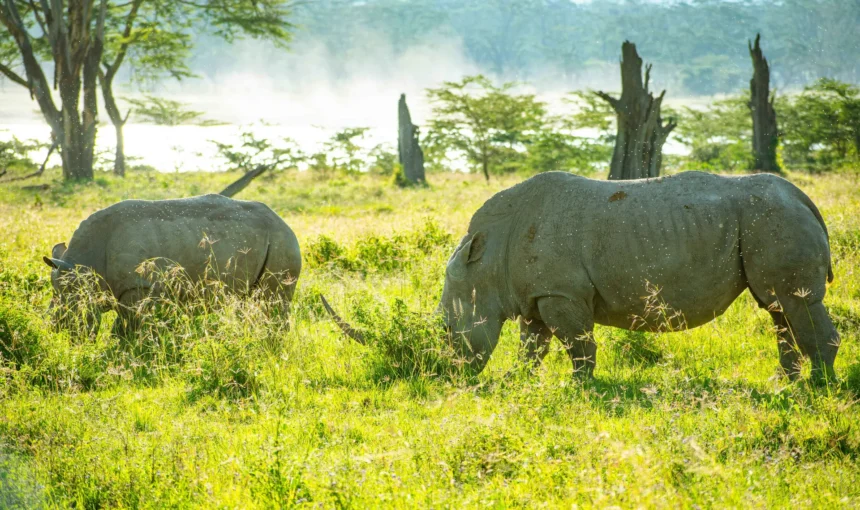
White rhinos are grazers. They’re larger, more placid, and they spend most of their time in the open grassland south of the lake. They have a broad, flat mouth adapted for cropping short grass. Because they’re calmer and more predictable, your guide can often get the vehicle quite close — close enough to see the texture of their skin, the prehistoric ridges and folds, the surprising gentleness of a mother nudging her calf.
Black rhinos are browsers. They’re smaller, more aggressive, and they tend to stay in thicker bush near the escarpment. Sightings are less frequent but far more electric — a black rhino appearing from the undergrowth, head raised and suspicious, is one of those moments where the vehicle goes completely silent and everyone holds their breath.
Lake Nakuru is home to both species, and with a patient, experienced guide, you have a real chance of seeing both in a single day. The park rangers maintain records of individual animals’ movements, and the best local guides have built relationships with those rangers over years. That kind of local knowledge makes an enormous difference — it’s the difference between a vague search and being parked 30 metres from a rhino family at golden hour.
Kenya’s rhino population has grown substantially thanks to sanctuaries like Nakuru. Seeing them here — thriving, reproducing, going about their enormous lives — is one of the more quietly emotional experiences a safari can offer. These animals came desperately close to extinction. Watching a calf press against its mother’s flank is a reminder of what conservation, when it works, can actually look like.
When to Go, How Long to Stay, and Where to Sleep
Lake Nakuru is a year-round destination, but timing shapes the experience significantly. Here’s an honest breakdown:
- January–February (dry season): Excellent wildlife concentration, lower water levels mean flamingos cluster closer to shore. Warm and clear. This is a strong choice.
- March–May (long rains): Fewer tourists, lush green landscape, birdlife at its most diverse. Rhino sightings can be harder as bush is thick, but the park has a quieter, more intimate feel. Rates are lower.
- July–October (dry season): Peak Kenya safari season for a reason. Animals are concentrated around water, rhinos are easier to spot in shorter grass, and the flamingo numbers are often high. Mornings are cool and crisp.
- November–December (short rains): Brief afternoon showers, but mornings are often beautiful. Migratory birds arrive and the lake can be spectacular.
For the park itself, two full game drive days is the minimum we’d recommend. One day barely scratches the surface — the park is more varied than it looks on a map, and the wildlife shifts dramatically between the lakeside flats, the acacia woodland, and the escarpment above. Three days lets you settle in, be patient, and have those slow, unhurried encounters that define a great safari.
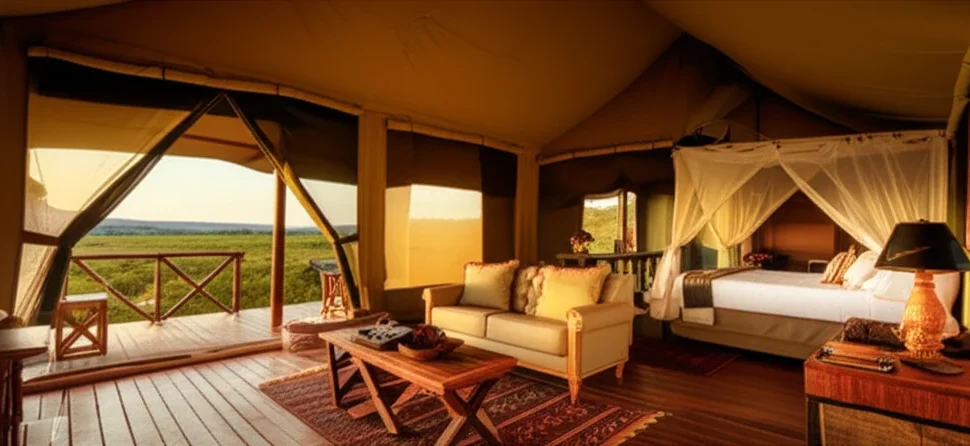
Accommodation inside and adjacent to the park ranges from comfortable tented camps to more established lodges with lake views. The camps along the escarpment offer extraordinary sunsets over the water. For something more intimate — where you’re woken by hippos grunting rather than an alarm clock — a well-run tented camp is hard to beat. Our team at Rustic Nature Tours can help you choose the right property for your style and budget.
Other Wildlife You Didn’t Expect to See
First-time visitors to Nakuru are usually so focused on flamingos and rhinos that the rest of the wildlife catches them off guard. In a good way.
Baboon Cliff, on the eastern escarpment, offers one of the most dramatic overlooks in Kenya — the entire lake spread below, pink at the edges, with olive baboons clambering around the rocks nearby. Below the cliff, in the yellow-fever acacia forest, leopard are more commonly spotted than most visitors expect. The trees are perfect leopard country: dense, quiet, full of impala. Ask your guide to check the branches carefully as you drive through.
The birdlife beyond the flamingos is extraordinary. African fish eagles hunt the shallows — their cry is the sound of Africa, as the saying goes, and you’ll hear it often. Grey-crowned cranes pick through the grassland. Pelicans drift in formation. Birders have recorded over 450 species in and around the park. If you’re travelling with binoculars, they’ll earn their weight here.
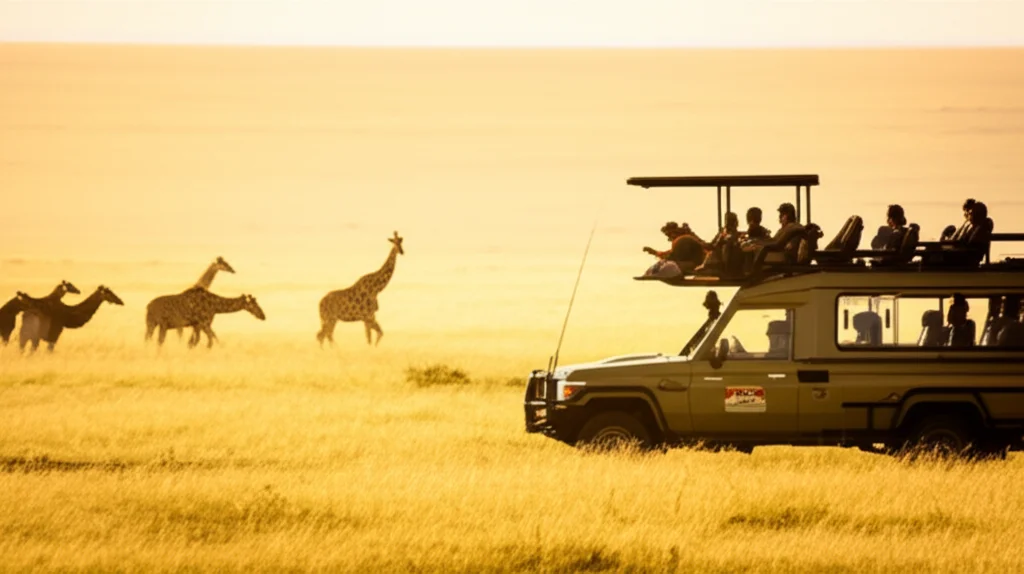
Buffalo herds move through the southern grasslands. Eland — Africa’s largest antelope — appear surprisingly often. And the Rothschild’s giraffe, introduced to the park as part of a conservation programme, are now thriving. These animals would otherwise face extinction; seeing them here, safe and multiplying, is genuinely moving.
Combining Lake Nakuru with the Rest of Your Kenya Safari
Nakuru works beautifully as part of a broader Kenya circuit. The most popular combination pairs it with the Maasai Mara to the south and Lake Bogoria or Samburu to the north — giving you the full sweep of Kenya’s ecosystems within a single trip.
Nairobi to Nakuru is an easy drive (or a short domestic flight), which means the park works well as a first or second stop before heading deeper into the Rift Valley. If you’re planning a 7–10 day Kenya safari, two nights at Nakuru followed by two nights in the Mara is one of our most popular itineraries — you get the intimate, concentrated wildlife experience of Nakuru and the vast, dramatic big-cat country of the Mara.
Our detailed Kenya safari itineraries can be tailored around your interests, travel dates, and how much time you have. We’ve planned hundreds of these trips, and we know which combinations flow well and which ones feel rushed.
Practical Tips Before You Go
- Park fees: Lake Nakuru National Park charges a daily conservation fee per person. It’s best paid through the eTims online system in advance — your tour operator will typically handle this.
- Self-driving vs guided: The park allows self-drive, but a knowledgeable local guide makes a profound difference. Rhino tracking, reading animal behaviour, knowing the roads that flood — this is expertise that takes years to build.
- What to pack: Light layers for morning game drives (it’s cooler than you expect at altitude), sunscreen, and a hat for midday. Binoculars are essential — a basic pair transforms the flamingo experience.
- Camera tips: A 300mm+ telephoto lens handles the bird photography beautifully. For rhinos, a 100–200mm is usually more than enough given how close you can get.
- Health: Malaria risk at Nakuru is lower than the coast or western Kenya due to the altitude, but prophylactics are still generally recommended. Consult your travel health clinic.
Planning a thorough lake nakuru safari guide flamingos rhinos experience isn’t complicated — but it rewards the people who think carefully about timing, pace, and who they choose to guide them. The park is small enough that a rushed day trip will show you something. It’s rich enough that several slow, unhurried days will show you everything.
Frequently Asked Questions
Are flamingos always present at Lake Nakuru?
Flamingos move between Rift Valley lakes as food and water conditions change. At Lake Nakuru, water levels and chemistry affect their food supply, so flock numbers can change sharply. Large pink flocks are not a dependable year-round feature or a fixed seasonal promise.
How common are rhino sightings at Lake Nakuru?
Lake Nakuru protects black and white rhinos in a landscape of lake, grassland and woodland. Flamingo numbers vary with lake conditions. Encounters depend on habitat, animal movements and the conditions during your visit.
How do I get from Nairobi to Lake Nakuru?
Kenya safaris can combine road transfers and domestic flights. Road vehicles connect parks and lodges; flights require appropriate airstrips and onward transfers. A specific flight route, schedule and luggage allowance belongs to the confirmed airline itinerary.
Can I see Lake Nakuru as a day trip from Nairobi?
A day excursion and an overnight safari allocate different time to travel and activities. A changed duration needs a revised programme with realistic gate, transfer and onward-travel timings.
Is Lake Nakuru safe for families with young children?
Suitability depends on the actual route, vehicle access, accommodation and activities, together with each traveller's needs. Park and operator instructions govern the visit. Mobility assistance, medical support, walking conditions and any specialist arrangements must be confirmed for the selected services; a safari description is not a blanket safety or accessibility assurance.