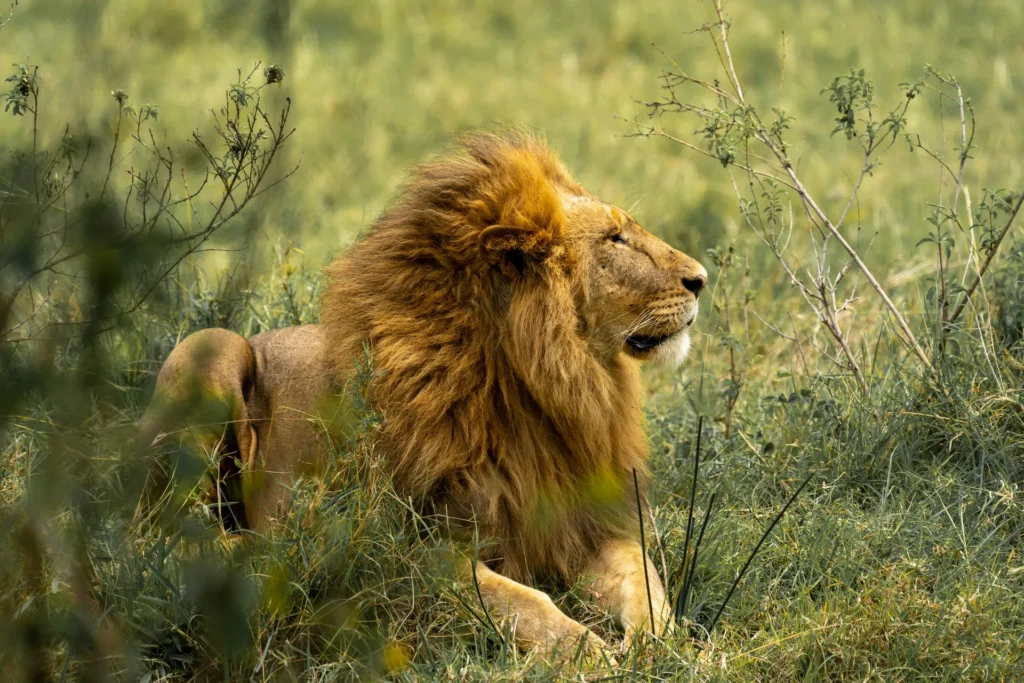

Look beyond the hunt
A predator sighting can be a quiet encounter: an animal resting, moving through cover or watching the plains. Tell your guide which animals interest you and leave room in the day to wait and observe.
The Mara Triangle supports lions, leopards and cheetahs alongside a wide variety of other wildlife. Your route, the habitat and the animals’ movements shape each drive.
Big cats to look for
Lions
Both male and female lions hunt. Their prey includes wildebeest, zebra and other herbivores. Watch the whole scene: other animals’ movements can be as interesting as the cat itself.
Leopards
Leopards are adaptable hunters and may carry a kill into a tree. Look carefully at branches and cover, and let your guide decide where to position the vehicle.
Cheetahs
Cheetahs are built for speed. Give them room and avoid disrupting a potential hunt. A sighting is a chance to observe, rather than a reason to press closer.
Plan time for patient viewing
Choose your safari around the time you want in the reserve. More nights leave room to revisit areas and enjoy a sighting without fitting everything into an arrival or departure drive.
For photography, share your equipment, passenger numbers and priorities before booking. Confirm vehicle space and any specialist photographic guiding in the written quotation.
Give wildlife space
Follow your guide and the rules for the sector you enter. Avoid crowding animals or blocking their path. The Mara Triangle has its own published park rules and ranger patrols.
Keep the itinerary flexible. A particular animal, a hunt or a specific photograph cannot be scheduled.
Your safari, your pace
Make it part of your journey.
Tell us your dates, party size, children’s ages and what you would most like to experience. Include this guide’s title or link in your enquiry.
Plan my Maasai Mara safari ↗